••
Ghana WASH Journalists Network warns of vanishing handwashing stations
•2 min read•1 source
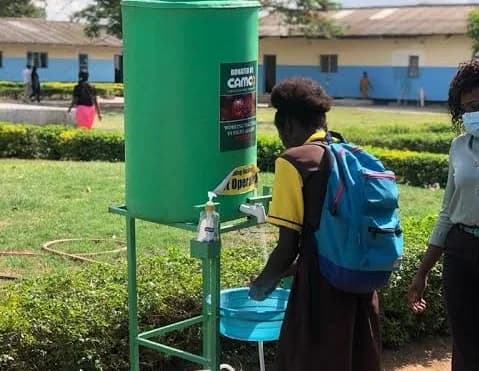
The Ghana WASH Journalists Network (GWJN) has raised an alarm over the widespread disappearance of handwashing stations from public spaces across the country. An investigation conducted by the network to coincide with Global Handwashing Day revealed that facilities previously installed at public educational institutions, markets, and places of worship during the peak of the COVID-19 pandemic have been largely removed. This trend has sparked significant concern among health advocates who view the reversal of hygiene protocols as a threat to national health security. The removal of these essential facilities leaves thousands of children and vulnerable populations at increased risk of contracting preventable diseases. During the pandemic, the presence of automated handwashing stations and Veronica Buckets became a standard feature of public life, fostering a culture of hygiene that many hoped would be permanent. However, current observations suggest that as the immediate threat of the pandemic receded, the infrastructure supporting these habits was dismantled or allowed to fall into disrepair. Public health experts are warning that this lapse in hygiene infrastructure could facilitate the resurgence of waterborne and infectious diseases. The link between consistent handwashing and the prevention of outbreaks like cholera, typhoid, and various respiratory infections is well-documented. Experts emphasize that the lack of accessible stations makes it nearly impossible for citizens to maintain the behavioral standards necessary to keep these illnesses at bay in crowded public environments. To safeguard public health, the GWJN is calling for an immediate revival of hygiene measures and a commitment to maintaining permanent WASH (Water, Sanitation, and Hygiene) infrastructure. Stakeholders are urging the government and local authorities to move beyond temporary emergency responses and instead integrate consistent handwashing facilities into the long-term design and management of public spaces. The network stresses that protecting citizens from future outbreaks requires both reliable infrastructure and a sustained behavioral commitment from the public.

