••
Zambian Authorities Warn Against Wildlife Meat Consumption Following Deadly Anthrax Outbreak
•2 min read•2 sources
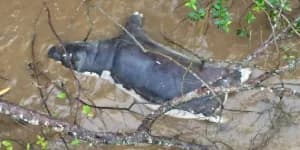
Zambian authorities have issued an urgent public health warning following a severe anthrax outbreak in the Muchinga province that has claimed the lives of dozens of wild animals and infected at least 12 people. The Disaster Management and Mitigation Unit (DMMU) reported that the human infections occurred after individuals consumed meat from animal carcasses discovered in the Munyamadzi River area. Public health officials have since deployed emergency medical care to the region and are closely monitoring local populations to prevent further transmission.
The environmental impact of the outbreak has been significant, with reports indicating the deaths of at least 46 hippos and 8 elephants since July. Other affected species include buffalo and at least one crocodile. In response to the growing crisis, authorities have suspended all hunting activities in the affected zones. Officials have emphasized that the bacterium responsible for anthrax can persist in the environment and remains highly infectious, making the handling or consumption of any animal that died unexpectedly extremely hazardous.
While anthrax is considered endemic in certain parts of Zambia, human infections are typically linked to the direct handling or consumption of contaminated animal products. Although human fatalities from the disease remain relatively rare in the country, the scale of wildlife loss in this instance has triggered a heightened response. Experts are currently focusing on the need for environmental decontamination and community education to mitigate the risk of cross-species transmission.
The situation highlights the complex challenge of balancing public health safety with food security in regions where wildlife often serves as a resource for local communities. Moving forward, health and disaster management agencies are advocating for a combination of vaccination programs for livestock and stricter adherence to wildlife safety protocols. For the time being, citizens are urged to avoid all contact with dead or sick wildlife as further assessments are conducted to ensure the area is safe.

