••
WHO begins first Tumaini Ebola vaccine trial in DR Congo
•2 min read•3 sources
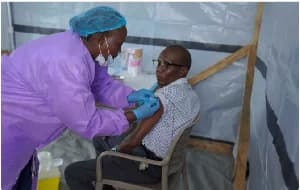
The World Health Organization (WHO) has officially commenced the first clinical trial of the Tumaini Ebola vaccine in the Democratic Republic of Congo (DRC) to address a devastating and rapidly spreading outbreak. The trial, named "Tumaini"—the Swahili word for "hope"—is being conducted in Bunia, the capital of the Ituri Province, which currently serves as the epicenter of the health crisis. This initiative marks a critical step in the international response to the country's 17th Ebola outbreak, which was formally declared on May 15.
The primary focus of the Tumaini trial is to evaluate the safety and efficacy of candidate vaccines against the Bundibugyo species of the Ebola virus. Among the vaccines being tested is Ervebo, which researchers hope will provide cross-protection against this specific strain. The trial is designed to incorporate two additional potential vaccines to broaden the search for an effective medical countermeasure. Participants in the study include high-risk populations, specifically those who have been in contact with confirmed cases, as well as pregnant women and children aged 12 and older.
WHO Director-General Tedros Adhanom Ghebreyesus confirmed that the first vaccinations have already been administered in Bunia. This urgent intervention comes as the DRC grapples with one of its most severe health challenges, with current figures indicating over 9,700 reported cases and more than 4,600 deaths. The speed at which the current outbreak is moving has necessitated a swift transition from emergency response to clinical research to identify sustainable long-term solutions for the region.
Health authorities and the WHO are prioritizing the trial to ensure that the most vulnerable groups are protected from the virus. By focusing on the Ituri Province, where transmission remains high, the trial aims to provide robust data that could lead to the standard use of these vaccines in future outbreaks. The successful implementation of the Tumaini trial represents a significant collaborative effort between the Congolese government and international health partners to curb the impact of one of the world's most lethal pathogens.


