••
WHO requests transparency from Russia over plague laboratory death
•2 min read•1 source
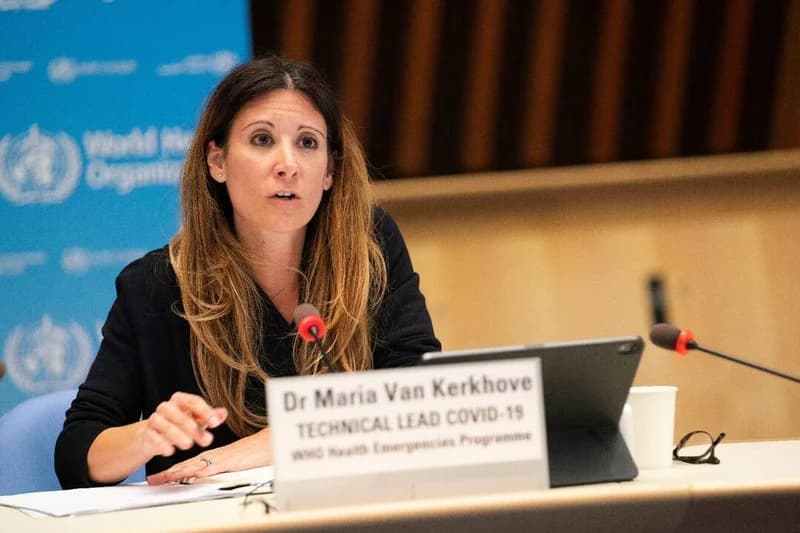
The World Health Organization (WHO) has formally called on Russian health authorities to provide comprehensive data and transparency regarding the death of a laboratory technician at the Irkutsk Research Anti-Plague Institute. While the Russian government maintains that the incident poses no threat of an epidemic, international health officials insist that a thorough global risk assessment is impossible without access to more detailed information about the circumstances of the fatality and the specific pathogens involved.
According to Rospotrebnadzor, Russia's consumer health watchdog, medical monitoring for more than 90% of individuals identified as contacts of the deceased worker has already concluded. Russian officials reported that no dangerous pathogens were detected among these contacts, leading Moscow to conclude that there is no risk of a wider outbreak. However, the lack of primary data shared with the international community has left epidemiologists concerned about the potential for gaps in the official narrative and the inability to independently verify these findings.
The situation has drawn significant attention from Washington, where diplomatic efforts are underway to secure more information from Moscow. U.S. Secretary of State Marco Rubio has emphasized the urgency of the situation, while President Donald Trump stated that the United States does not currently believe the death was caused by bioweapon exposure. Despite this assessment, the President acknowledged that the information provided by Russian officials remains limited, complicating efforts to verify the safety of the facility and its research activities.
Global health experts and epidemiologists continue to stress the importance of clear data-sharing protocols to address international biosafety concerns effectively. The WHO remains at the forefront of the request, arguing that transparency is essential for maintaining global health security and preventing the spread of misinformation during potential public health emergencies. Until Russia releases the requested datasets, the international community's ability to conduct an independent verification of the public health risk remains severely constrained.
