••
WHO demands transparency from Russia after plague laboratory death
•2 min read•1 source
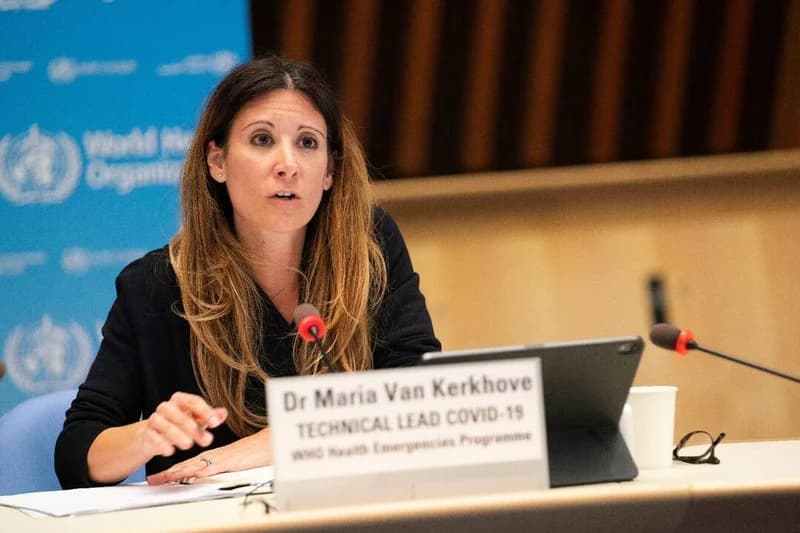
The World Health Organization (WHO) has formally requested that Russian health authorities provide transparent and comprehensive data following the death of a laboratory worker from the plague. The technician was employed at the Irkutsk Research Anti-Plague Institute, a facility specialized in handling high-risk pathogens. International health officials have emphasized that without detailed information regarding the circumstances of the infection and the institute's safety protocols, a thorough and independent global risk assessment of the incident remains impossible.
In response to global concerns, Russia's federal health watchdog, Rospotrebnadzor, has maintained that there is no risk of a wider epidemic. According to the agency, medical monitoring has been conducted for over 90 percent of the individuals who came into contact with the deceased worker. Russian officials reported that these checks concluded without the detection of any dangerous pathogens, suggesting that the infection was contained within the laboratory environment. However, the lack of specific data shared with international partners has led to persistent skepticism among global health experts.
The incident has also triggered diplomatic engagement from the United States, with officials calling for greater openness from Moscow. U.S. Secretary of State Marco Rubio highlighted the urgency of the situation, stressing that timely information is critical for global health security. While U.S. President Donald Trump noted that current intelligence does not suggest the death was related to bioweapon exposure, he acknowledged that the information provided by the Russian government has been significantly limited. This lack of clarity has hindered the ability of international epidemiologists to verify Russia's claims of containment.
Global health experts continue to advocate for clear data-sharing channels to address international concerns effectively. They argue that incidents involving highly infectious diseases like the plague require a coordinated global response, which is only possible when the affected nation adheres to international transparency standards. As the WHO awaits a more detailed report from the Russian authorities, the situation underscores the ongoing challenges in international biological surveillance and the need for robust oversight of research facilities handling hazardous pathogens.