••
WHO trials strain-specific Ebola vaccines in DR Congo
•2 min read•1 source
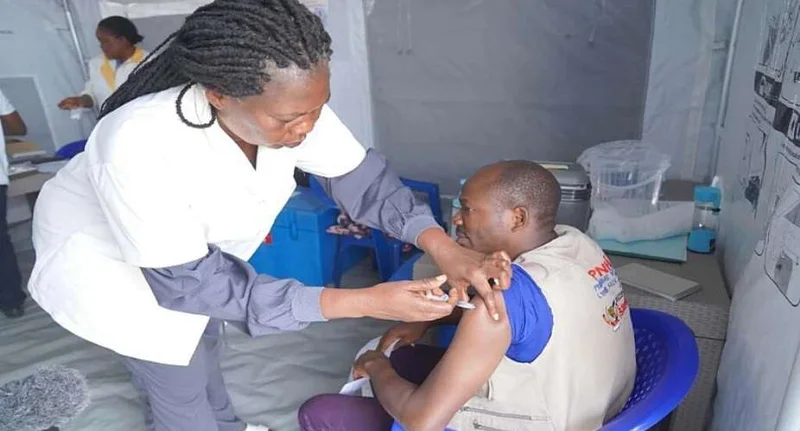
The World Health Organization (WHO) is set to launch the "Tumaini" clinical trial in the Democratic Republic of Congo (DRC) to evaluate two new vaccines targeting the Bundibugyo strain of the Ebola virus. Scheduled to begin on November 26 or 27 in the city of Bunia, the trial focuses on assessing the safety and efficacy of candidate vaccines developed by the University of Oxford and Moderna. This initiative comes as the DRC grapples with a severe outbreak that has persisted for six months, resulting in 11,376 confirmed cases and 5,568 deaths.
Researchers will employ a ring vaccination strategy for the Phase 2 trials, a method that prioritizes the vaccination of high-risk contacts of confirmed patients. By creating a protective "ring" around known cases, health officials hope to curb the spread of the virus within the community. The Tumaini trial is particularly significant because it addresses the Bundibugyo virus, a distinct strain from the Zaire Ebola virus for which vaccines are already available. The lack of specific medical countermeasures for this strain has historically made outbreaks difficult to manage.
Containment efforts in the region have been complicated by persistent instability and resource limitations, which have allowed the current outbreak to reach a high fatality rate. The WHO indicated that while the trial will initially focus on participants in Bunia, there are plans to expand the scope to other sites to increase the diversity and number of trial participants. This expansion is seen as vital for gathering robust data that could lead to the eventual licensing of these strain-specific vaccines.
The development of these candidate vaccines by Oxford and Moderna represents a shift toward more tailored pandemic preparedness. If successful, these vaccines will provide health workers with critical tools to fight future outbreaks of the Bundibugyo strain, which is periodically responsible for high-mortality events in Central Africa. The trial is expected to provide essential insights into the immune response elicited by these new vaccine technologies in a real-world outbreak setting.
