••
Handicap International reports 80 security attacks on DRC Ebola workers
•2 min read•1 source
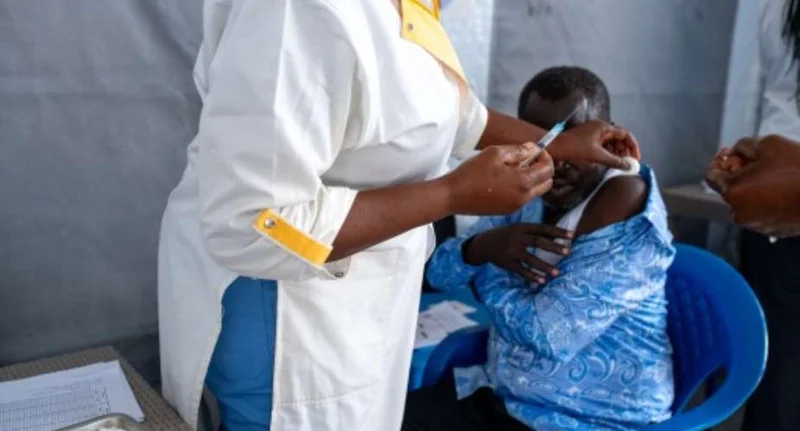
The humanitarian organisation Handicap International (HI) has highlighted critical factors stalling the response to the Democratic Republic of the Congo’s (DRC) deadliest Ebola outbreak. With more than 5,500 lives lost to the virus, the group identifies a trifecta of geographic, security, and social challenges that are undermining medical interventions. Jerome Bertrand, a representative for HI, emphasised that the complexity of the regional environment is proving to be as significant a hurdle as the disease itself.
Logistical difficulties in the DRC’s remote jungle areas are among the primary obstacles. Natural barriers, including rivers and collapsed bridges, have severely delayed the distribution of essential medical supplies and vaccines to the most vulnerable communities. These geographic constraints are compounded by a volatile security landscape. Since the outbreak began in May, there have been 80 recorded security incidents specifically targeting healthcare workers, making the delivery of life-saving care a high-risk mission for humanitarian teams.
Beyond physical and violent threats, deep-seated community distrust towards authorities and international organisations is hampering public health efforts. This mistrust has led many local residents to resist following health guidelines, particularly regarding traditional funeral practices. Because these ceremonies often involve close contact with the deceased, they are high-risk events for Ebola transmission; however, community resistance makes it difficult for teams to implement safe burial protocols or conduct necessary public health education.
In response to these multifaceted challenges, Handicap International is focusing on community-led strategies to navigate the crisis. The organisation has made the strategic decision to avoid armed escorts, which can sometimes escalate local tensions, and is instead building local networks to foster trust and improve security. By engaging local teams who understand the cultural and social landscape, HI aims to create safer pathways for medical personnel and ensure that health messages are better received by the populations most at risk.