••
World Health Organization starts Ebola vaccine trials in Bunia
•2 min read•1 source
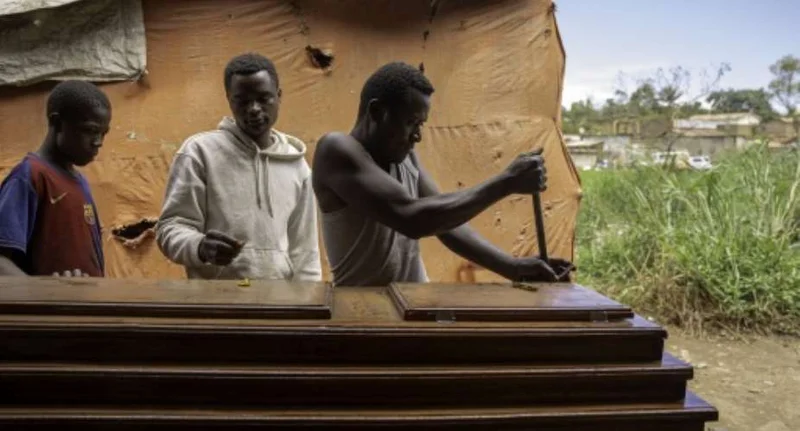
The World Health Organization (WHO) is scheduled to begin clinical trials for two candidate vaccines targeting the Bundibugyo strain of the Ebola virus in the Democratic Republic of Congo (DRC) starting next week. The initiative, designated as the Tumaini trial, will be centered in the city of Bunia, which has emerged as a focal point for the current health crisis. These trials will specifically prioritize high-risk contacts of confirmed cases, representing a critical step in the international response to one of the region's most persistent health threats.
The urgency of the Tumaini trial is underscored by the severity of the ongoing outbreak, which was officially declared in May. Since then, the DRC has recorded 11,376 confirmed cases of Ebola, leading to 5,568 deaths. The WHO reports that the virus continues to spread at a concerning rate, with between 400 and 500 new infections identified every week. Data from the epicentre indicates a particularly high burden on children, who make up a significant percentage of both the confirmed cases and the resulting fatalities.
By focusing on the Bundibugyo strain, these vaccines address a specific gap in the current medical arsenal. Unlike other more common strains, the Bundibugyo virus requires tailored interventions to ensure maximum efficacy. The upcoming trials in Bunia will evaluate how well these candidate vaccines perform in real-world conditions among those most likely to be exposed. If the vaccines prove safe and effective, they will become a cornerstone of the public health strategy to suppress the outbreak and prevent further loss of life across the region.
