••
Volta River Authority calls for 100% revenue through cash waterfall mechanism
•2 min read•1 source
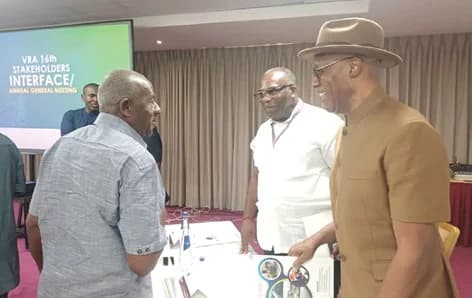
The Volta River Authority (VRA) has formally requested a comprehensive review of the Cash Waterfall Mechanism (CWM) to allow state-owned power entities full access to their generated revenue. Speaking at the authority's recent Annual General Meeting, Board Chairman Jabesh Amissah-Arthur highlighted that the current system significantly restricts the VRA’s financial independence by only disbursing a fraction of its total billings. The call comes as the authority seeks to stabilize its operations following its return to profitability in 2025.
Under the existing framework, the VRA reports receiving only 60% to 75% of the revenue it bills for electricity supplied to the national grid. Mr. Amissah-Arthur emphasized that this persistent shortfall creates a substantial funding gap, which directly impacts the authority's ability to maintain existing infrastructure and execute critical service improvements. The board chairman noted that receiving the full value of their payments is essential to sustain the authority's operations and ensure the long-term reliability of power generation across the country.
The revenue constraints are particularly detrimental to the VRA’s strategic goals, including the expansion of generation capacity and the accelerated development of renewable energy projects. Although the authority has improved its financial position recently, the leadership argues that profitability on paper is insufficient without the liquid cash flow necessary to fund capital-intensive energy transitions. Access to 100% of their billings would allow the VRA to reduce its reliance on external borrowing and minimize the need for government interventions in its expansion programs.
While the government has expressed a commitment to improving the financial sustainability of the energy sector, the VRA maintains that reforming the revenue distribution system is a critical prerequisite for operational stability. As Ghana continues to modernize its power grid, the efficient movement of funds within the energy value chain remains a priority for stakeholders. The VRA's push for full payment underscores the broader challenges facing state-owned utilities in maintaining infrastructure while pursuing ambitious green energy targets.
