••
Jabesh Amissah-Arthur seeks 100% revenue payments for VRA
•2 min read•1 source
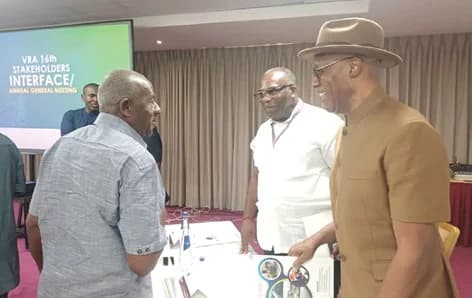
Jabesh Amissah-Arthur, the Board Chairman of the Volta River Authority (VRA), has called for an urgent review of the cash waterfall mechanism (CWM) to ensure that state-owned power companies can access the full value of their billings. Speaking at the authority's recent annual general meeting, Amissah-Arthur emphasized that the current system restricts the VRA's financial liquidity, which is essential for maintaining and expanding Ghana's power infrastructure.
Under the existing arrangement, the VRA reports that it only receives between 60% and 75% of its total billings. This consistent shortfall in revenue collection creates a funding gap that hinders the authority's ability to undertake critical projects. Amissah-Arthur noted that receiving 100% of its revenue is vital for the VRA to finance planned capacity expansions and transition toward more renewable energy initiatives. He argued that the structural limitations of the current revenue distribution system remain a primary obstacle to achieving the authority's long-term operational and environmental goals.
Despite these revenue constraints, the VRA has shown financial resilience, reporting a return to profitability in 2025. However, the Board Chairman maintained that long-term sustainability depends on a more efficient and fair distribution system that properly recognizes the costs incurred by electricity generators. While the government has acknowledged the financial challenges within the power sector and expressed a commitment to improving sustainability, the VRA maintains that reforming the cash waterfall mechanism is a necessary step to ensure the reliable delivery of power as national demand grows.