••
Voatsiperifery pepper faces threat from 27% loss of Madagascar forests
•2 min read•1 source
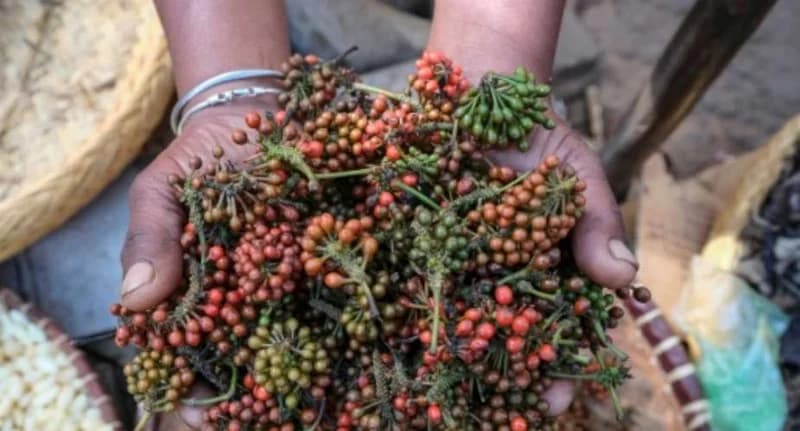
Voatsiperifery pepper, a rare and highly aromatic spice endemic to the forests of Madagascar, is facing a severe threat to its survival due to rapid environmental degradation and unsustainable harvesting. As Madagascar’s forest cover has decreased by approximately 27% between 1990 and 2025, the natural habitat for this unique vine is dwindling at an alarming rate. The spice, which is prized by gourmet chefs globally, grows wild in the canopies of the island's primary forests, making it particularly vulnerable to the broader ecological crisis affecting the nation.
The primary driver of the plant's decline is the destructive method often employed by local harvesters to reach the pepper corns. Because the Voatsiperifery vine climbs high into the forest canopy, harvesters frequently cut down the host trees entirely to collect the crop. This practice not only destroys the productive vine but also contributes to the further loss of the very trees that support the forest's biodiversity. Despite these environmental costs, the high prices the pepper commands in international markets, particularly in France, continue to incentivise aggressive and unregulated collection from the wild.
In response to the looming loss of this botanical treasure, conservationists and agricultural experts are working to implement new protective measures. These initiatives include the establishment of regulated harvesting zones and the development of domestic cultivation techniques intended to allow the pepper to be grown in controlled environments rather than solely harvested from the wild. By transitioning to sustainable farming practices, stakeholders hope to protect the remaining primary forests while ensuring that this valuable export remains a viable source of income for Madagascar's rural communities.
