••
Voatsiperifery pepper faces threat from Madagascar's 27% forest loss
•2 min read•1 source
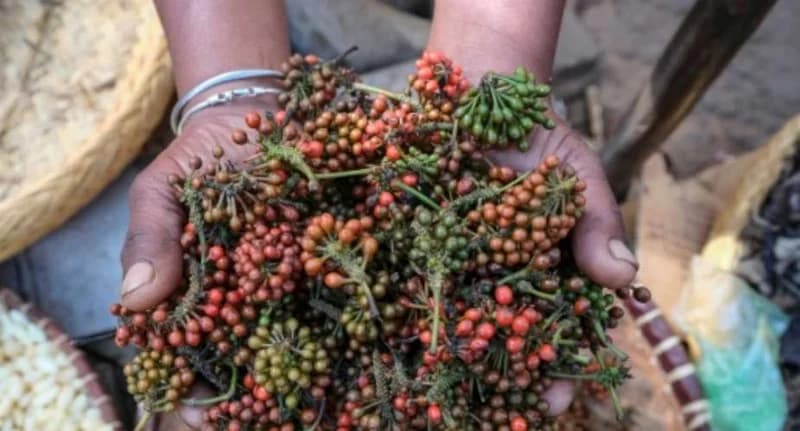
The Voatsiperifery pepper, a rare and highly aromatic spice native to Madagascar, is under severe threat as the island's primary forest cover continues to dwindle. Recent data indicates that Madagascar's forests have shrunk by 27% between 1990 and 2025, a loss that directly impacts the natural habitat of this prized wild vine. As the environment degrades, the future of this unique plant hangs in the balance, challenging both local ecosystems and the international gourmet spice trade.
The primary driver of the plant's decline is a combination of general deforestation and specifically destructive harvesting methods used by local collectors. Because the Voatsiperifery pepper grows as a vine on tall trees in deep forests, harvesters often find it difficult to reach the berries at the canopy level. Instead of climbing, many collectors resort to cutting down the entire supporting tree to access the vines. This practice not only kills the pepper vine itself but further accelerates the destruction of the very forests the species depends on for survival.
Despite its precarious status in the wild, the pepper remains a lucrative commodity, fetching high prices in international markets, particularly in France. To combat the loss of the species, conservationists and agricultural experts are working on several fronts to protect the remaining population. Efforts are currently underway to establish regulated harvesting protocols to prevent tree felling and encourage sustainable collection. Additionally, researchers are exploring the possibility of domestic cultivation, which would move the spice out of the wild and into controlled agricultural environments, potentially securing its future and providing a stable income for local communities.