••
Voatsiperifery pepper survival threatened by Madagascar deforestation
•2 min read•1 source
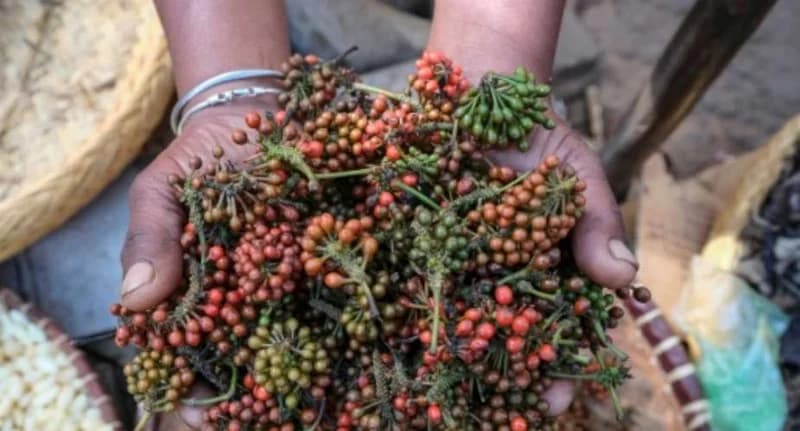
The Voatsiperifery pepper, a rare and highly aromatic spice native to the rainforests of Madagascar, is facing a critical threat to its survival due to rapid habitat loss and destructive harvesting methods. Between 1990 and 2025, Madagascar lost approximately 27% of its forest cover, significantly reducing the natural range of this wild-growing vine. The plant’s unique flavor has made it a prized commodity in international markets, particularly in France, where it commands premium prices, yet this global demand is currently fueling ecological damage rather than sustainable growth.
The primary challenge to the species lies in the traditional and often harmful ways the pepper is gathered from the wild. Because the Voatsiperifery vine grows high in the forest canopy on supporting trees, many harvesters resort to cutting down the entire host tree just to reach the peppercorns. This practice not only kills the tree but also destroys the pepper vine itself, preventing future yields and contributing to the overall thinning of the island's unique biodiversity. As the forest retreats, the distance harvesters must travel into the interior increases, further complicating the supply chain and putting pressure on untouched ecosystems.
To combat this decline, conservationists and agricultural experts are working to implement regulated harvesting practices and explore the possibilities of domestic cultivation. By encouraging local communities to cultivate the pepper in managed plots rather than relying solely on wild harvesting, experts hope to create a sustainable economic model that protects the environment. Establishing a formalized industry for Voatsiperifery pepper could provide consistent income for Malagasy farmers while ensuring that one of the world's rarest spices does not disappear along with the island's shrinking forests.
