••
Ghana University Teachers Signal Growing Unrest Over Remuneration, Appointments, and Leadership Governance
•2 min read•5 sources
Ghana’s tertiary education sector is facing a wave of internal and external disputes as several chapters of the University Teachers Association of Ghana (UTAG) and the Technical University Teachers’ Association of Ghana (TUTAG) raise alarms over recruitment, pay, and administrative autonomy. From the University of Ghana (UG) to the Kwame Nkrumah University of Science and Technology (KNUST), academic staff are challenging current governance frameworks and demanding better conditions of service to prevent a brain drain of qualified PhD holders to other sectors or overseas.
At the University of Ghana, UTAG-UG President Dr. Jerry Joe Harrison has warned that inadequate remuneration is severely hampering the ability of public universities to attract and retain specialized academics. Dr. Harrison criticized the Ghana Tertiary Education Commission (GTEC) for attempting to centralize the recruitment of faculty by advertising positions externally, arguing that such moves undermine university autonomy. He contended that the state should focus on improving the conditions of service for lecturers and supporting internal PhD training programs rather than intervening in recruitment processes. According to UTAG-UG, the current salary levels for academics are uncompetitive compared to other professions, deterring potential candidates from pursuing careers in higher education.
Simultaneously, the UTAG chapter at KNUST is locked in a bitter dispute with university management over the appointment of Pro-Vice Chancellors and Deans. The association has escalated the matter to the University Council after the Academic Board failed to uphold existing appointment protocols. UTAG-KNUST argues that management’s attempt to let strategic plans override longstanding statutory frameworks sets a dangerous precedent for collegial governance. Citing their legal rights under Act 1157, the association has threatened further action, including potential legal challenges, if stakeholders are not adequately involved in leadership selection processes.
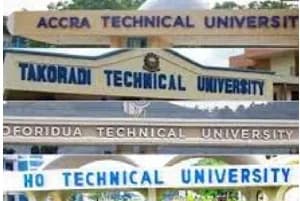
Internal friction has also reached a boiling point within TUTAG, where several chapters have petitioned for an Extraordinary National Delegate Congress to consider the impeachment and removal of their current National Executives. The petition, signed by local executives from various technical universities on September 7, 2026, signals a major leadership crisis within the association. As these various disputes over governance and welfare converge, the academic community remains on edge, with local chapters urging their members to stay united as they push for systemic reforms and greater transparency in university administration across the country.

