••
Ghana’s Education Sector Faces Labor Unrest as TUTAG Continues Strike and Innovative Teachers Threaten Legal Action
•2 min read•2 sources
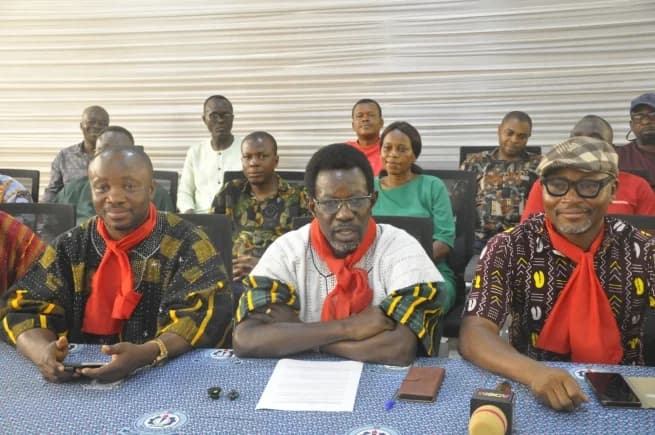
Ghana’s education sector is currently grappling with a dual wave of labor unrest as the Technical University Teachers’ Association of Ghana (TUTAG) proceeds with industrial action and the Innovative Teachers Union threatens legal proceedings over bargaining rights. These developments signal a period of heightening friction between educator associations, regulatory bodies, and established union hierarchies. The situation highlights deep-seated grievances regarding contractual obligations and the inclusivity of labor negotiations across both the tertiary and pre-tertiary levels.
In the technical university sub-sector, TUTAG National President Professor Deodat E. Adenutsi has clarified that while the government has finally initiated the payment process for Book and Research Allowances, the strike will persist due to other unresolved issues. The association is primarily protesting the non-payment of post-retirement contracts and unilateral changes made to the agreed-upon scheme of service, which notably impacts librarians. Consequently, TUTAG members have been directed to withdraw teaching and student supervision services, although they will continue to perform other professional duties while awaiting tangible solutions from the government.
Simultaneously, a legal battle is brewing within the Ghana Education Service (GES) involving the Innovative Teachers Union and the Ghana National Association of Teachers (GNAT). The Innovative Teachers Union has issued a formal demand letter threatening legal action over their exclusion from negotiations for the 2026 Collective Bargaining Agreement (CBA). Citing the Labour Regulations of 2007, the union argues that GNAT is legally required to consult other unions during the bargaining process. In contrast, GNAT maintains that because it holds the collective bargaining certificate, participation in the negotiations remains at its own discretion.
The convergence of these disputes underscores a growing demand for administrative transparency and fairness within Ghana's educational institutions. As TUTAG remains firm on its industrial action and the Innovative Teachers Union calls for urgent intervention from labor authorities to prevent exclusionary practices, the stability of the current academic cycle remains under threat. The coming weeks will be critical for the relevant authorities to mediate these conflicts and ensure that both the welfare of educators and the quality of student instruction are preserved.
Related topic
Ghana Education Service (GES): Latest News Today →

