••
Upper East Region Stakeholders Demand Urgent Investment to Address Teacher Shortages and Substandard Classrooms in Early Childhood Education
•2 min read•1 source
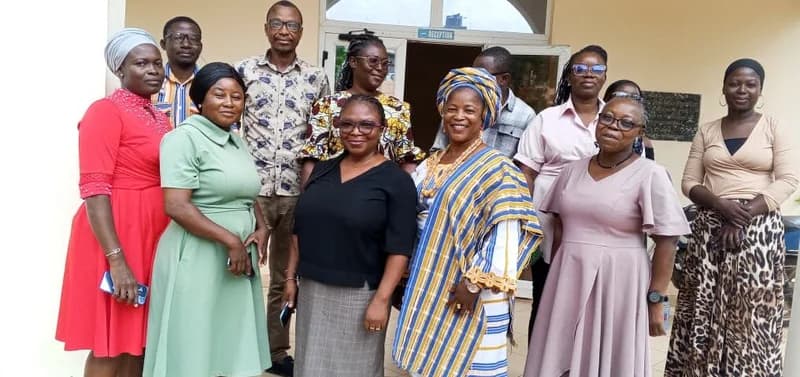
Stakeholders in the Upper East Region have issued a clarion call for intensified investment in early childhood education (ECE) to secure the foundational learning of children across the province. Speaking at the third-quarter meeting of the Upper East Regional Early Childhood Development Committee, representatives from the Regional Coordinating Council and the NGO Children Believe highlighted critical gaps that threaten the educational development of the region’s youngest citizens. Despite recent improvements in early-grade enrollment figures, the region continues to grapple with a severe shortage of specialized teachers and insufficient infrastructure, which experts argue undermines the rapid brain development occurring in children during their formative years.
Mrs. Georgina Aberese-Ako and other education experts expressed grave concern that many children aged four and five are currently receiving instruction in substandard environments, including learning under trees. These conditions are largely attributed to historical planning oversights and a persistent lack of dedicated funding for early-grade facilities. The shortage of trained ECE specialists is currently so acute that many schools have been forced to rely on community volunteers to fill the void. Stakeholders emphasized that without qualified professionals who understand early developmental milestones, the goal of providing a robust foundation for lifelong learning remains at risk.
Beyond infrastructure and staffing, the committee identified delayed kindergarten enrollment as a significant hurdle to regional progress. Many parents are reportedly failing to enroll their children at the appropriate age, missing the optimal window for cognitive growth and early socialization. To combat this trend, traditional leaders and district assemblies were urged to collaborate on resource mobilization and community sensitization. By educating parents on the importance of timely school entry, local authorities hope to align regional education practices with national standards and ensure that every child enters the formal school system prepared to succeed.
The call for action serves as a critical reminder of the role early childhood care plays in Ghana’s broader educational objectives under the administration of President John Mahama. As the Upper East Region reviews its current activities affecting child development, the consensus among stakeholders is that a unified approach—combining government funding, NGO support, and community involvement—is the only way to eliminate "under-tree" classrooms and professionalize the sector. Moving forward, the regional committee seeks to prioritize specialized teacher training and ensure that early childhood education is treated as a primary pillar of regional development planning rather than an afterthought.
Related topic
John Mahama: Latest News & Updates →

