••
UNICEF urges mother-tongue instruction to boost Ghana's literacy levels
•2 min read•1 source
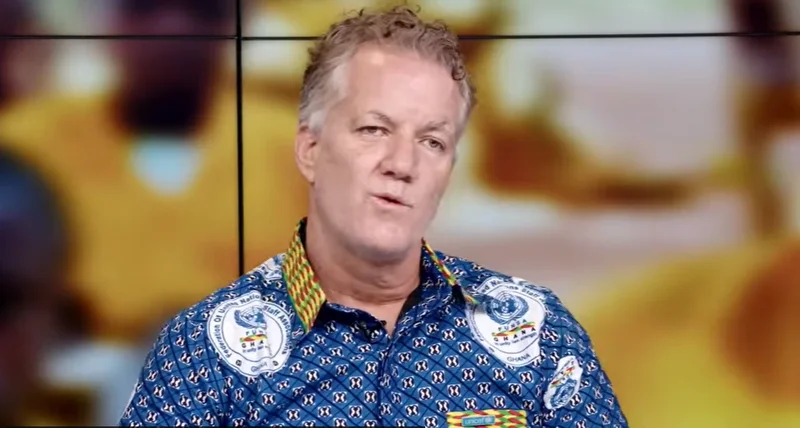
UNICEF Country Representative Andy Brooks has called for the rigorous implementation of mother-tongue instruction within Ghana's foundational education system. Speaking on the necessity of local language use, Brooks emphasized that teaching children in languages they already understand is essential for improving overall learning outcomes and overcoming persistent educational barriers. This push comes as part of a broader effort to address significant gaps in the literacy and numeracy skills of young learners across the country.
The call for a shift in language policy is supported by recent educational assessments, which revealed that a substantial percentage of Primary Four pupils in Ghana lack basic proficiency in both English and Mathematics. Brooks pointed out that rural students are particularly disadvantaged by current instructional practices, as they are often required to learn in a language that is not utilized in their daily lives. This challenge is further exacerbated by the unequal distribution of teachers, which leaves many rural schools without the necessary linguistic and educational support to bridge the gap.
To address these disparities, UNICEF is backing the Ghanaian government's initiative to integrate local languages into the early years of schooling. Brooks recommended that the government prioritize the development of effective language policies and ensure that adequate teaching resources are directed toward rural communities. By focusing on mother-tongue instruction, the goal is to create a more inclusive educational environment where all children, regardless of their location, can develop a strong foundation for future learning and long-term academic success.

