••
UNFPA Reports Alarming 123% Surge in Forced Marriages and Gender-Based Violence Amid Gaza Conflict
•2 min read•1 source
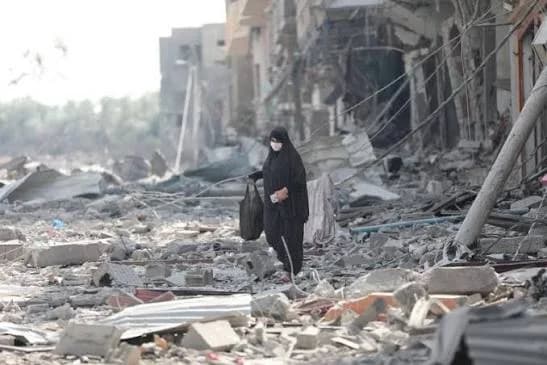
The United Nations Population Fund (UNFPA) has released a series of harrowing reports detailing a dramatic escalation in violence against women and girls in the Gaza Strip. Data analyzed from ten separate organizations reveals a systematic erosion of social structures and legal protections, leading to a 123% rise in early and forced marriages between the first and second quarters of 2026. The findings underscore how the prolonged conflict has transformed displacement camps into high-risk environments, with reported incidents of sexual violence surging by 61% as humanitarian conditions continue to deteriorate.
Testimonies collected from over 230 displaced women highlight a grim reality where survival instincts often override traditional social norms. Many families, stripped of their livelihoods and facing acute shortages, have increasingly turned to marrying off their minor daughters in exchange for basic necessities or as a perceived means of protection against further violence and social stigma. The collapse of the local legal system and the absence of formal security mechanisms have left women and children with virtually no recourse or protection against domestic and external abuse.
The crisis is further exacerbated by the total collapse of public services and the prolonged closure of educational institutions. Experts note that when schools remain shut, girls lose a critical safety net, making them more vulnerable to domestic pressures and exploitation. Aid agencies describe the current situation as a complete breakdown of the social fabric, where the lack of privacy in overcrowded camps and the scarcity of resources have created a cycle of dependency and trauma that disproportionately affects the female population.
Humanitarian organizations and the UNFPA are calling for an immediate and comprehensive intervention to address these protection gaps. Beyond basic food and medical aid, there is an urgent need for the restoration of legal safeguards and the establishment of safe spaces for women and girls within displacement zones. Long-term solutions, according to the reports, must prioritize the return of education and the strengthening of community-based protection networks to prevent the permanent loss of rights for an entire generation of Gazan women.
