••
UESD holds 7th Commencement Lecture on sustainable waste management
•2 min read•1 source
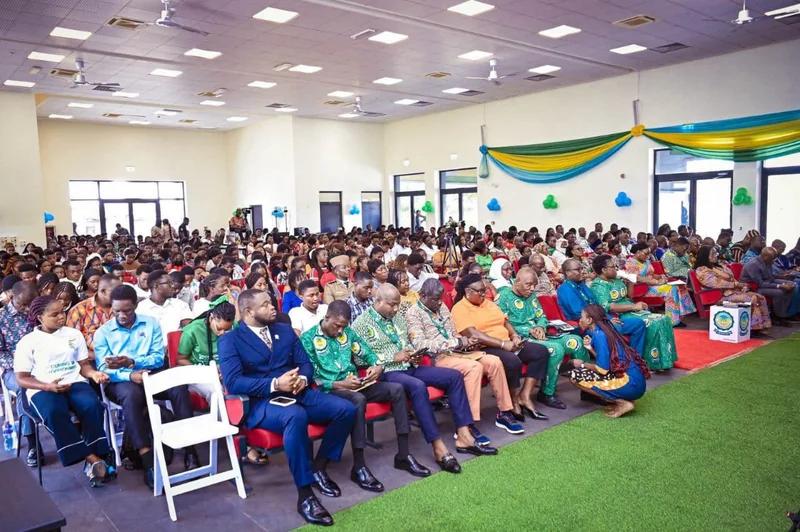
The University of Environment and Sustainable Development (UESD) in Somanya has officially launched its 2026/27 academic year with the 7th Commencement Lecture. The event, held at the university campus, focused on the urgent need for a policy overhaul in Ghana’s waste management sector. Under the theme "Rethinking Waste Management in Ghana: Policy and Sustainable Development," the lecture served as a platform for academic and policy discourse aimed at addressing the country's persistent sanitation challenges through research-driven strategies.
Professor Richard Amfo-Out, the keynote speaker, presented a comprehensive set of ten policy recommendations designed to transform the national approach to sanitation. His proposals emphasized shifting the public mindset away from traditional waste disposal toward a model of sustainable resource management. He argued that Ghana’s current waste issues require more than just logistical improvements; they demand a fundamental change in how both citizens and policymakers perceive waste, advocating for solutions rooted in rigorous scientific research and local context.
The lecture brought together various stakeholders and institutions that shared messages of support, reinforcing the university's mission as a hub for environmental innovation. Speakers highlighted UESD’s critical role in translating academic research into practical, scalable solutions for Ghana’s environmental sector. By aligning its academic milestones with national development priorities, the university aims to foster a new generation of professionals equipped to lead the country toward a more sustainable future.
As the 2026/27 academic year begins, the UESD continues to position itself as a leader in environmental advocacy and education in the Eastern Region and beyond. The recommendations provided during the lecture are expected to inform future policy discussions between academia and government agencies. This initiative underscores the university's commitment to ensuring that sustainable development remains at the forefront of Ghana’s national agenda, particularly as urban areas face increasing pressure from population growth and waste generation.
