••
Kasi Energy Foundation launches carbon footprint programme at Pentecostal School
•2 min read•1 source
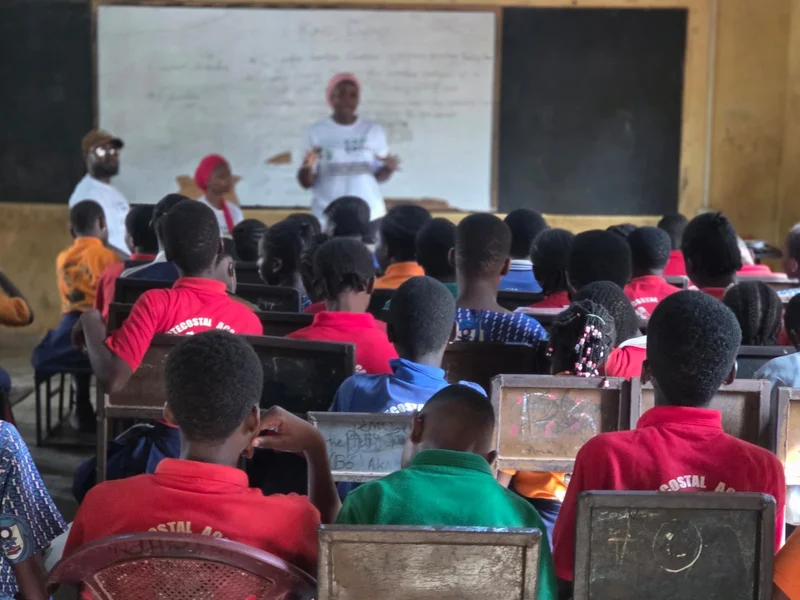
The Kasi Energy Foundation has officially launched its Carbon Footprint Education Programme at the Pentecostal School, marking a significant step toward integrating climate awareness into the Ghanaian school curriculum. This initiative is designed to empower young people with the scientific knowledge and practical skills needed to address the growing challenges posed by global environmental changes. By engaging students at an early age, the foundation aims to build a foundation for lifelong environmental responsibility and active participation in Ghana's transition toward sustainable development.
The programme’s curriculum focuses on three core areas: understanding the fundamental causes of climate change, the benefits of transitioning to clean energy sources, and the calculation of individual carbon footprints. Through interactive educational modules, students are taught how everyday activities—ranging from electricity use to transportation—contribute to greenhouse gas emissions. The foundation emphasizes that recognizing one's personal impact is the first step toward making more sustainable choices and advocating for environmental protection within their families and wider communities.
To move beyond theoretical classroom learning, the Kasi Energy Foundation has scheduled follow-up sessions that will involve practical, hands-on activities. A key feature of these upcoming workshops is the management and recycling of sachet plastics, which remain a persistent waste management challenge in urban and rural Ghana. Students will learn how to properly collect and repurpose these materials, transforming plastic waste into useful products. This practical component is intended to demonstrate that environmental solutions can be locally driven and integrated into daily life.
This educational outreach by the Kasi Energy Foundation comes as Ghana continues to grapple with the effects of climate change on its environment and economy. By fostering a climate-conscious generation, the initiative supports national efforts to mitigate environmental degradation and adapt to changing weather patterns. The Pentecostal School pilot serves as a model for how non-governmental organizations and educational institutions can collaborate to prepare the next generation for a more resilient and green future.