••
UESD, Ga Mantse Foundation, and ASA Savings Launch Major Scholarship Initiatives to Support Needy Students
•2 min read•8 sources
A series of new scholarship initiatives and financial aid packages have been launched across Ghana to support academically brilliant but financially disadvantaged students. These programs, spearheaded by academic institutions, traditional foundations, and corporate entities, aim to ensure that financial constraints do not hinder the educational aspirations of the youth. From specialized agricultural studies in the Eastern Region to community-focused funds in the Greater Accra Region, these initiatives represent a significant push toward inclusive education and human capital development.
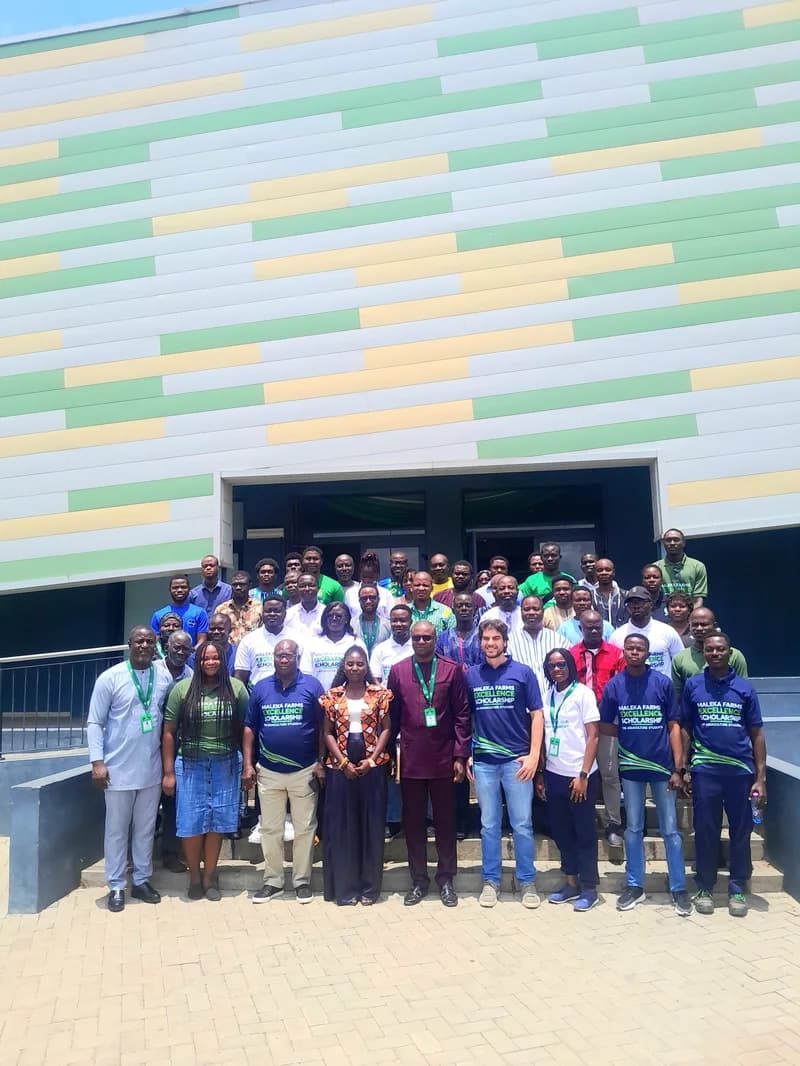
In Somanya, the University of Environment and Sustainable Development (UESD) has partnered with Maleka Farms Limited to establish the Maleka Excellence Scholarship for Aquaculture Students (MESAS). Designed to bridge the gap between academia and industry, the scholarship targets students in levels 100 through 300 within the Department of Water Resources and Aquaculture Management. Beyond covering academic user fees, the program—set to commence in the 2026/2027 academic year—provides beneficiaries with critical internship and mentorship opportunities at Maleka Farms. UESD Vice-Chancellor Professor Eric Nyarko-Sampson emphasized that maintaining high academic standards will be a prerequisite for retaining the support, which is initially slated to run for five years.
In a parallel effort to promote community unity and educational advancement, the RNAQ Foundation and the Ga Mantse Foundation have introduced the RNAQ Ga-Dangme Youth Scholarship Fund. Launched under the theme "One Ga-Dangme, One Heart, Rising Together," the fund seeks to support tertiary students from the Ga-Dangme community who demonstrate both academic excellence and genuine financial need. King Tackie Teiko Tsuru II praised the initiative, noting that such charitable work is essential for the development of the region. Applicants are required to provide proof of enrollment, WASSCE certificates, and evidence of financial hardship to qualify for the scheme, which traditional leaders hope will foster greater unity among the Ga-Dangme people.
Furthering the reach of corporate social responsibility, ASA Savings and Loans has donated GH¢25,000 to support 25 students in the Ayawaso Central Municipality. The beneficiaries, drawn from communities including Nima, Maamobi, and Accra Newtown, include both junior high and tertiary students. The funds are earmarked for tuition, hostel fees, and textbooks, with the company announcing plans to eventually scale this support to reach 500 children. These collective efforts from UESD, traditional authorities, and the private sector highlight a growing trend of multi-stakeholder collaboration intended to secure the future of Ghana's workforce and reduce the educational equity gap.

