••
US Embassy College Fair and National Mentorship Drives Expand Career Horizons for Ghanaian Students
•2 min read•3 sources
Thousands of Ghanaian youth and parents recently converged in Accra and Kumasi for the 2026 EducationUSA College Fair, marking a significant milestone in the country's growing academic ties with the United States. Organised by the US Embassy, the event featured more than 30 accredited American universities and drew over 3,000 participants. Rolf Olson, Chargé d’Affaires of the US Embassy, noted that Ghana has become an increasingly prominent source of international talent, with the number of Ghanaian students in the US tripling from 4,000 in 2019 to 12,800 in 2024. The fair provided a platform for students to align their academic goals with scholarship opportunities and specialized programs abroad.
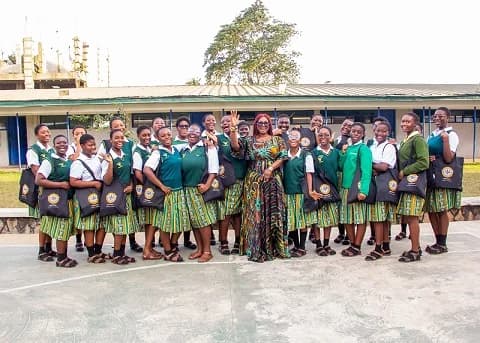
Simultaneously, local efforts to empower young women in specialized sectors are gaining momentum through the Ghana Tourism Authority (GTA) Ladies Club. The club recently launched a mentorship outreach at Aburi Girls Senior High School under the theme "Tourism Future Leaders Engagement." GTA’s leadership encouraged students to explore diverse roles within the tourism value chain—including travel consultancy, hotel management, and the culinary arts—while emphasizing the critical role of technology and cultural identity. This initiative forms part of a strategic drive to equip the next generation of women with the leadership skills necessary to thrive in Ghana’s evolving tourism landscape.
Complementing these academic and industry-specific drives, the Ministry of Gender, Children and Social Protection has issued a strong call for enhanced support for women in Technical and Vocational Education and Training (TVET). During a keynote address at the Women in TVET Conference in Accra, the Ministry urged industries to provide more internships and practical pathways to bridge the employment gap. By advocating for careers that transcend traditional gender roles and addressing structural barriers to training, the Ministry aims to ensure that both men and women can contribute equally to national development through high-value technical skills.
Together, these developments highlight a robust, multi-sectoral approach to human capital development in Ghana. From international university placements to local vocational and tourism-sector mentorship, the focus is shifting toward practical excellence and global competitiveness. As educational institutions and government agencies continue to collaborate, the priority remains on creating clear, accessible pathways that transform the aspirations of Ghanaian students into tangible professional success.


