••
Ghanaian Teacher Unions Stand Firm as Strike Deadlock Continues Over Allowances and Promotion Arrears
•3 min read•21 sources
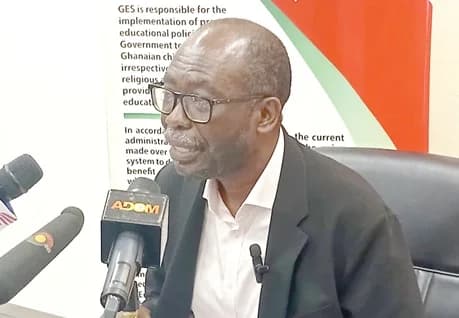
The nationwide strike by pre-tertiary teacher unions in Ghana remains in force as negotiations between the government and labor leadership reached a stalemate this week. Members of the Ghana National Association of Teachers (GNAT), the National Association of Graduate Teachers (NAGRAT), and the Pre-Tertiary Teachers Association of Ghana (PRETAG) have withdrawn their services, leading to the closure of public basic schools across the country. While the government, through Education Minister Haruna Iddrisu, has committed to settling outstanding promotion arrears by October 30, union leaders insist that clearing these debts is insufficient to end the industrial action. They are demanding a comprehensive resolution to broader concerns, including a 20% professional allowance and the finalization of a new collective agreement.
At the center of the deadlock is a disagreement with the Fair Wages and Salaries Commission (FWSC) regarding allowances. Dr. George Smith-Graham, CEO of the FWSC, reported that negotiations stalled after unions introduced demands for new allowances that fall outside the current transitional framework as the country moves toward establishing the Independent Public Emoluments Commission (IPEC). While the FWSC has urged unions to focus on enhancing existing allowances, labor leaders like NAGRAT President Jacob Anaba and PRETAG President King Ali Awudu argue that the government has failed to act on commitments dating back as far as 2009. In the Ashanti Region, union representatives have taken a harder line, declaring they will only return to the classroom once they receive verifiable bank alerts confirming the settlement of their payments.
The strike has drawn significant reactions from education stakeholders and parents. The National Council of Parents Teachers Association (PTA) has expressed solidarity with the teachers, with Secretary Raphael Kofi Gapson warning that parents may join street protests if the government misses the October 30 deadline. Dr. Peter Anti of the Institute for Education Studies (IFEST) criticized the government for failing to engage the unions before the previous collective agreement expired, suggesting the strike was avoidable. Conversely, labor consultant Austin Gamey cautioned that negotiating while maintaining a strike is detrimental to industrial relations, likening the situation to holding the government in "handcuffs."
Government officials, including Deputy Education Minister Dr. Clement Apaak and Ghana Education Service (GES) Director-General Prof. Ernest Kofi Davis, continue to appeal for a return to the classroom. They have attributed delays in salary adjustments for nearly 80,000 promoted teachers to complex data transfer issues between the GES and the Controller and Accountant-General’s Department. As a gesture of future commitment, the government has announced plans for a 20% salary incentive for teachers in rural and underserved areas starting in 2026. For now, however, the academic calendar remains disrupted, and further talks between the FWSC and union leaders are scheduled for later this week in an attempt to break the impasse.
Related topic
Ghana Education Service (GES): Latest News Today →

