••
Turkey hosts rival Libyan factions for military unification talks
•2 min read•2 sources
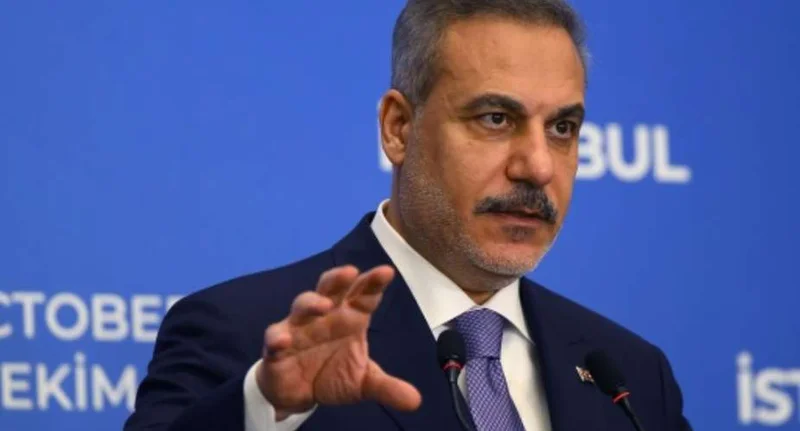
Turkey hosted a high-level meeting in Ankara last week between Libya’s rival eastern and western administrations, aimed at reunifying the North African nation’s split military forces. This diplomatic effort represents a significant step toward ending the institutional division that has plagued the country since 2014. While no formal agreements were finalized during the sessions, the mediation highlights Turkey's evolving role as an arbiter between the opposing factions that control different regions of the country.
The talks were attended by military officials and diplomats from both sides of the divide. Turkish Foreign Minister Hakan Fidan expressed optimism regarding the proceedings, stating that current conditions for reunification are favorable. He emphasized that unifying the military command is the immediate priority, which is intended to create the necessary security environment for subsequent discussions on broader political unity. This mediation effort reportedly aligns with interests from the United States in stabilizing the oil-rich nation.
Turkey’s position as a mediator marks a notable shift from its previous role as a primary military supporter of the western-based government in Tripoli. By building ties with the eastern administration, Ankara has broadened its influence across the country. This progress in military dialogue coincides with the eastern parliament’s recent approval of a maritime demarcation deal with Turkey. Although this agreement has drawn criticism from regional neighbors Greece and Egypt, it underscores the deepening political and strategic ties between Turkey and various Libyan stakeholders.
Despite the positive outlook shared by Turkish officials, substantial obstacles to lasting stability remain. Ongoing power struggles among Libya's key political figures and the presence of various foreign interests continue to complicate the path toward a unified state. The next phase of the process is expected to focus on the political framework required to sustain a unified military and eventually lead to national elections, though a specific timeline for follow-up meetings has not yet been announced.

