••
Yoweri Museveni discusses presidential succession with party officials
•2 min read•1 source
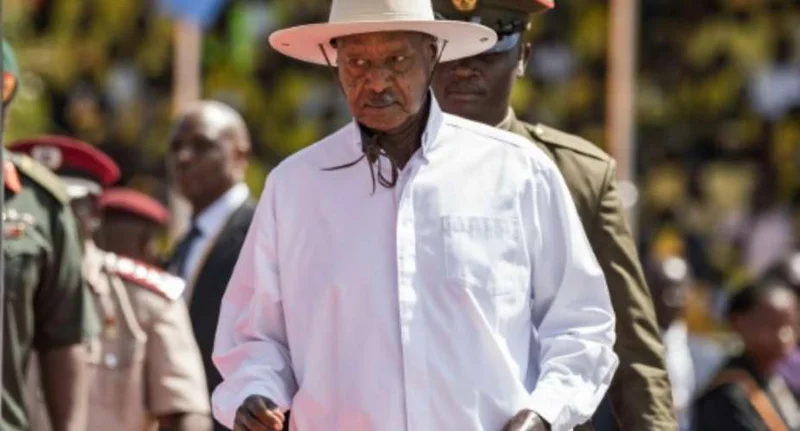
Uganda's President Yoweri Museveni has officially initiated discussions regarding his succession with senior officials of the ruling National Resistance Movement (NRM). This development marks the first time the veteran leader, who has governed the East African nation for 40 years, has formally addressed the transition of power within his party. The move comes amid growing internal debate and public speculation concerning the political future of his son, Muhoozi Kainerugaba, who has been increasingly visible in the political arena.
The discussions within the party were characterized as cautious, revealing a spectrum of opinions among the NRM leadership. While some party members have signaled their support for Kainerugaba’s potential leadership, others have expressed apprehension about the prospect of a dynastic transition. Kainerugaba, a general in the Ugandan military, has been actively positioning himself for a presidential run in 2031. His rise has been accompanied by controversial public statements and social media activity, including threats against political opponents, which have intensified concerns about the future of democratic space in the country.
The prospect of a family-led succession has also raised alarms regarding political repression. Dissenting voices within and outside the ruling party have voiced fears over their safety and the potential for a consolidated grip on power by the Museveni family. Despite these tensions, Kainerugaba has continued to consolidate his influence within both the military and the political hierarchy since his father’s last election victory, creating a divide between those seeking continuity and those advocating for broader political change.
As Museveni begins to steer the conversation toward a post-Museveni era, the political landscape in Uganda remains uncertain. The formal acknowledgement of the succession issue indicates that the ruling party is preparing for an eventual transition, even as the President remains firmly in control. The focus now shifts to how the NRM will manage internal rivalries and whether a consensus candidate will emerge before the 2031 elections, a period that will likely determine the nation’s long-term political trajectory.
