••
Religious Organizations in Ghana Champion Social Reform and Cultural Heritage Ahead of Major 2026 Milestones
•3 min read•3 sources
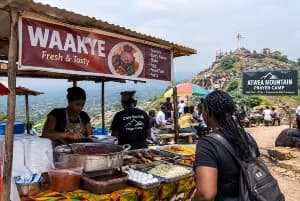
Ghana is preparing to host significant religious and cultural events that highlight the active role of faith-based organizations in national development and social justice. Leading these celebrations is the Twelve Tribes of Israel (TTI) Ghana Chapter, which marks its 40th anniversary on December 6, 2026, at the Arts Centre in Accra. Concurrently, the global religious community is focusing on the 2026 World Congress of the Assemblies of God Fellowship, scheduled for mid-October in the capital. These events represent a growing trend where spiritual institutions address both the historical identity and the urgent socio-economic challenges facing the African continent. The TTI anniversary, led by Overseer Ahuma Bosco Ocansey, celebrates the Rastafari movement's contributions to Ghana's national fabric through a blend of music and community service. The event will feature international and local reggae and highlife artists, including Micah Shemaiah, Patrick Junior, and Mariam Simone. Beyond the festivities, the organization has planned community initiatives such as donations to Nsawam Prisons and a youth soccer challenge to promote unity. Historical site visits, including the Kwame Nkrumah Memorial Park, will underscore the group's Pan-Africanist values, which TTI leadership notes align with President John Dramani Mahama’s recent calls to acknowledge the historical crimes of slavery against humanity. On the broader continental stage, the Assemblies of God World Congress, held from October 14 to 16, aims to tackle pressing governance and economic issues. A position paper by Brother Benjamin Anyagre Aziginaateeg of the AfriKan Continental Union Consult has urged church leaders to move beyond spiritual roles to address youth unemployment, social justice, and resource management. The congress is expected to culminate in the Accra Call, a manifesto for peace and accountability across Africa. This advocacy signals a shift toward practical Christianity, where institutions are held responsible for promoting good governance and unity alongside spiritual growth. This demand for institutional integrity and focused mission is echoed in recent critiques of local spiritual management. Cleric Prophet David Rauf has called on the managers of the Atwea Mountains Prayer Camp to preserve the sanctity of the site by removing commercial distractions. He emphasized that the presence of food vendors and unrelated activities at the peak detracts from the camp’s purpose as a place for prayer and fasting. Together, these stories reflect a multifaceted movement within Ghana’s religious landscape, where leaders are being pushed to ensure that sacred spaces remain holy, while religious organizations increasingly serve as pillars for social reform and national identity.
