••
Donald Trump removes South Africa and Rwanda from AGOA trade deal
•2 min read•2 sources
US President Donald Trump has officially notified Congress of plans to terminate the eligibility of South Africa and Rwanda for the African Growth and Opportunity Act (AGOA) trade program. The exclusion, which follows an annual review by US Trade Representative Jamieson Greer, is scheduled to take effect on January 1, 2027. This decision marks a significant shift in trade relations between the United States and two of Africa's most prominent economies.
The Trump administration cited several factors for the removal, including barriers to US trade and investment, national security concerns, and human rights issues. In South Africa's case, officials pointed to persistent trade barriers and allegations of corruption. US Ambassador to South Africa Leo Brent Bozell III noted that the outcome was predictable and preventable, suggesting that South African policies had long been at odds with the program's requirements and eligibility criteria.
For Rwanda, the exclusion is primarily linked to concerns over political pluralism and human rights. Tensions have intensified recently following US sanctions against Rwanda’s defense ministry over its alleged support for rebel groups in the Democratic Republic of Congo. The US Trade Representative indicated that these practices are fundamentally inconsistent with the statutory requirements established for participation in the duty-free trade agreement.
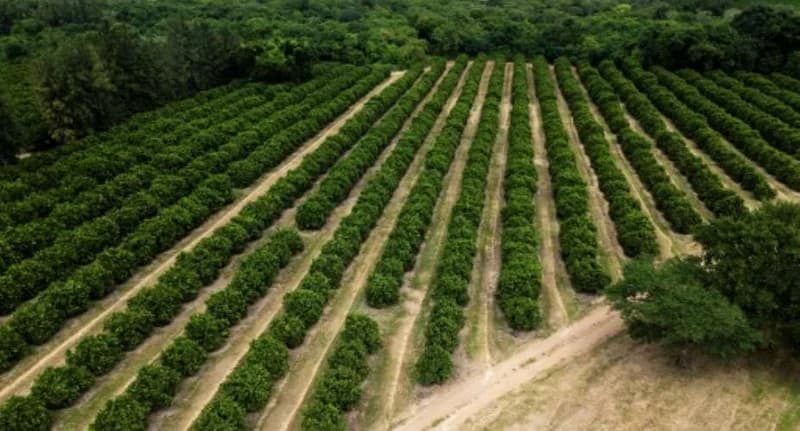
The removal from AGOA is expected to have substantial economic consequences, particularly for South Africa’s agricultural sector, where the citrus industry relies heavily on duty-free access to US markets. While the changes do not take effect until 2027, both nations are under increasing pressure to address the underlying issues raised by the US government. The eligibility of all participating countries remains subject to annual review, leaving a narrow window for potential policy adjustments before the final deadline.

