••
Rwanda launches 13th governance scorecard to track service delivery
•2 min read•1 source
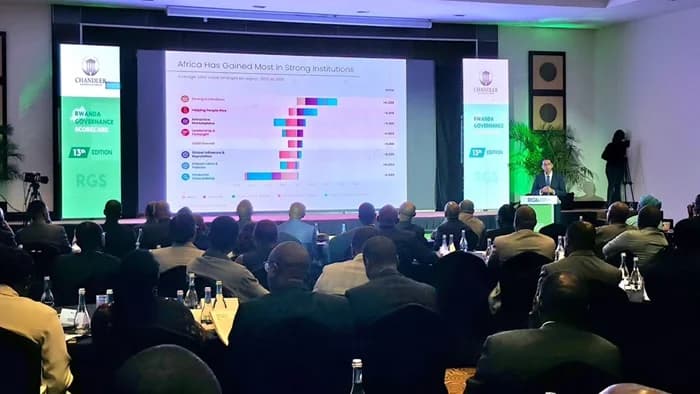
Rwanda has officially launched the 13th edition of the Rwanda Governance Scorecard (RGS), a comprehensive tool designed to assess institutional performance and identify gaps in the country's governance framework. Unveiled by the Minister of Local Government, Hambimana Dominique, the report serves as a critical mechanism for tracking progress toward the Second National Strategy for Transformation (NST2) and the long-term goals of Vision 2050. The latest findings reveal a stable overall governance environment, although they also signal a notable decline in the quality of public service delivery. The scorecard evaluates eight key pillars of governance, five of which achieved scores exceeding 80 percent. While sectors such as human and social development showed positive growth, the pillar for service delivery experienced a regression, falling from 71.7 percent to 68.4 percent. Minister Dominique emphasized that these results necessitate improved coordination among public institutions to ensure that governance achievements translate into tangible improvements for citizens. The scorecard is intended to provide evidence-based data that can guide policy adjustments and enhance accountability across all levels of government. In tandem with the domestic report, the 2026 Chandler Good Government Index results were presented, ranking Rwanda significantly above expectations relative to its GDP. The index placed Rwanda first among low-income countries globally, highlighting the nation's strong capabilities in leadership, foresight, and regulatory quality. However, the international findings mirrored the domestic scorecard’s concerns, pointing to ongoing challenges in trade and human development that require sustained attention to ensure better outcomes for the population. The United Nations Development Programme (UNDP) Resident Representative in Rwanda commended the government's commitment to transparency, noting that the scorecard fosters a culture of accountability and evidence-based policymaking. As Rwanda moves forward with its development agenda, the insights from the 13th edition of the scorecard are expected to drive governance reforms. The government remains focused on closing the identified gaps in service delivery to ensure that the nation's governance remains resilient and responsive to the needs of its people as it strives toward its 2050 development milestones.

