••
TPLF faces backlash from Tigrayans following failed military offensive
•2 min read•1 source
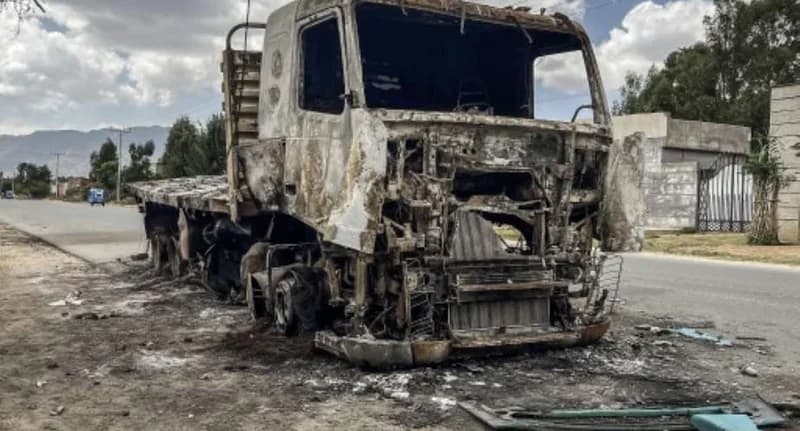
The Tigray People’s Liberation Front (TPLF) is experiencing a significant loss of public support within the Tigray region as its latest military offensive against Ethiopian federal forces falters. Once the dominant political force in the region, the TPLF now faces growing resentment from its former base, driven by the failure of recent combat operations and a controversial alliance with Eritrea. This shift in public sentiment comes as the Ethiopian federal government moves to consolidate control over the territory and establish a new interim administration.
Residents of the region have voiced deep frustration with the TPLF’s leadership, citing a growing disconnect between the party and the people it claims to represent. Many locals, such as Tsegay Girmay, have expressed a sense of relief or satisfaction regarding the party’s declining influence. Critics point to the devastating impact of prolonged conflict and the party's strategic decisions, particularly the alliance with Eritrea, which has been viewed with suspicion and anger by those who suffered under previous hostilities involving Eritrean forces.
As the TPLF's grip on the region weakens, the Ethiopian federal authorities are actively working to fill the power vacuum by setting up an interim administration. The transition marks a pivotal moment for Tigray, as opinions remain divided on whether the TPLF can—or should—maintain any future political relevance. While some still view the party as a symbol of Tigrayan identity, many others are prioritizing stability and the restoration of essential services over the ideological goals of the TPLF. The success of the federal interim administration will likely play a crucial role in determining the long-term political landscape of Northern Ethiopia.
