••
Abiy Ahmed orders military training for Ethiopian cabinet ministers
•2 min read•1 source
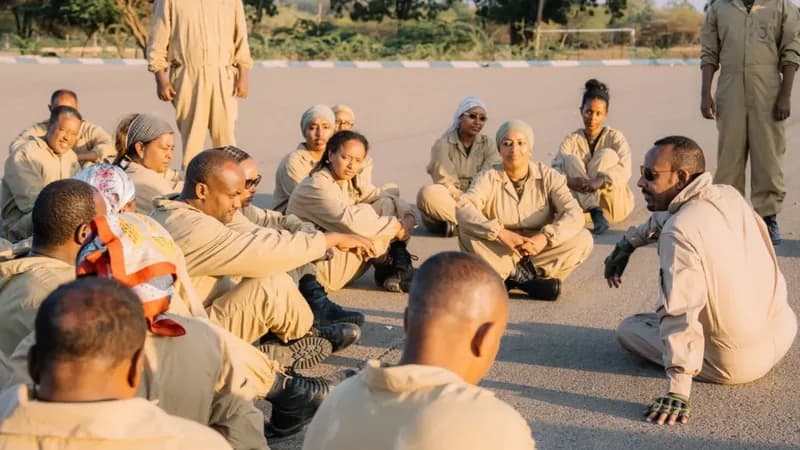
Ethiopian Prime Minister Abiy Ahmed has initiated a specialized military conditioning program for his cabinet ministers and top government officials, a move aimed at instilling greater discipline and accountability within the nation's leadership. The program requires high-ranking civil administrators to participate in rigorous physical drills, including jogging and push-ups, as part of a broader effort to enhance leadership resilience and teamwork. Abiy Ahmed has argued that the adoption of military-style discipline is essential for the government to effectively pursue its national development goals and achieve lasting economic prosperity.
The initiative marks a significant departure from traditional administrative practices in Ethiopia, where military training for civilian cabinet members is highly unusual. The Prime Minister’s vision for a more united and disciplined leadership team is being implemented through these mandatory exercises, which are designed to foster a sense of shared responsibility and collective action. By subjecting top officials to the rigors of military conditioning, the government aims to bridge the gap between civil administration and the disciplined execution often associated with the armed forces.
This development unfolds against a backdrop of complex internal security challenges and heightened regional tensions. Ethiopia continues to navigate the aftermath of armed confrontations in the Tigray region and faces growing friction with neighboring Eritrea. Critics and observers have expressed concerns about the potential militarization of civilian governance, questioning how this shift in leadership style will impact democratic norms and the handling of ongoing domestic unrest. Despite these concerns, the Prime Minister remains committed to the program as a cornerstone of his strategy for national stability and progress.
