••
Tesla faces complaint in South Korea over automated driving software
•2 min read•1 source
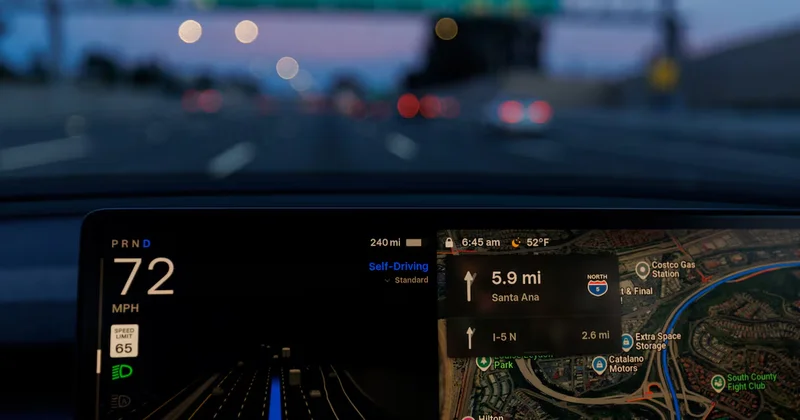
Tesla is facing a formal complaint from a consumer advocacy group in South Korea for allegedly misleading customers about the capabilities and legality of its Full Self-Driving (FSD) software. The group contends that the electric vehicle manufacturer sold the software package to thousands of drivers without clearly stating that it cannot be used on many Tesla models currently on South Korean roads, specifically those imported from China.
The complaint, filed with the Korea Fair Trade Commission (KFTC), highlights a discrepancy between Tesla’s marketing and the regulatory reality in the country. To date, Tesla has sold over 170,000 vehicles in South Korea produced at its Shanghai factory. These Chinese-made units allegedly fail to meet the specific technical and regulatory standards required by South Korean authorities for the activation of FSD features. The advocacy group argues that Tesla has unfairly collected payments for the FSD suite over several years while failing to inform buyers that their vehicles are technically or legally ineligible for the upgrade.
This latest action adds to Tesla's legal and regulatory challenges in the South Korean market. While the consumer group is now pushing for a cease-and-desist order and substantial administrative fines, the legal landscape remains complex. A court in Seoul recently dismissed a civil lawsuit brought by customers who were seeking refunds for their FSD purchases. That court acknowledged that regulatory barriers are indeed preventing the rollout of full automated features, yet it stopped short of ordering the company to return the funds to owners.
