••
Mohammed Adams Sukparu urges adoption of space technology solutions
•2 min read•2 sources
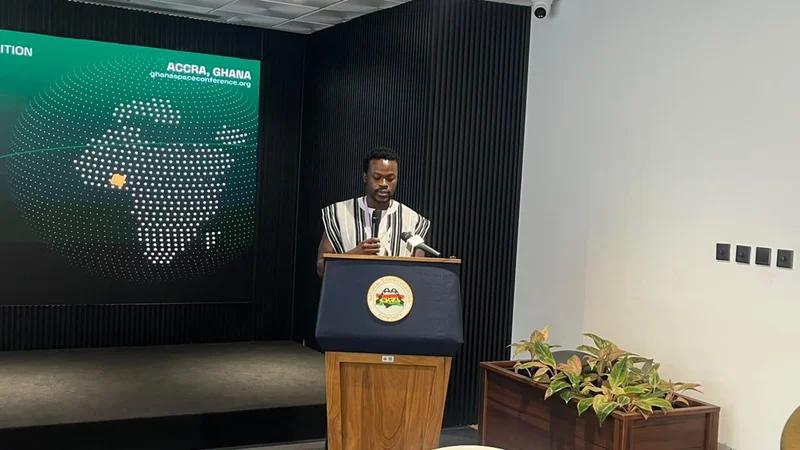
Deputy Minister Mohammed Adams Sukparu has called on stakeholders to move beyond theoretical aspirations and transform space technology into actionable solutions for Ghana’s national development. Speaking on behalf of President John Dramani Mahama at the opening of the second Ghana Space Conference 2026, the Deputy Minister emphasized that the sector must deliver tangible impacts in agriculture, connectivity, and national security. The event, organized by Spacehubs Africa and the Ghana Space Science and Technology Institute (GSSTI), serves as a platform to bridge the gap between space-based data and the country’s most pressing socioeconomic challenges.
A primary focus of the conference is the application of satellite imagery in disaster management and urban planning. Kwaku Sumah, Director of Spacehubs Africa, highlighted how satellite data is being utilized to identify vulnerable communities and monitor environmental hazards. Citing recent flooding in Accra as a critical use case, Sumah explained that satellite technology provides essential data for rapid disaster response and accurate damage assessment. This approach is currently being strengthened through collaboration between the GSSTI and the National Disaster Management Organisation (NADMO) to ensure a more coordinated national response to climate-related emergencies.
Beyond technical applications, the Deputy Minister stressed the importance of human capital development within the space economy. Sukparu advocated for increased investment in local capabilities and specifically encouraged young people, particularly women, to pursue careers in space science. He noted that the success of the industry depends on strong collaboration between research institutions and private industry. To formalize these commitments, the conference introduced the Accra Youth Declaration, a framework intended to ensure measurable progress in youth participation and skill acquisition in the high-tech sector.
The conference also aims to solidify the institutional framework for Ghana’s space ambitions through the proposed Ghana Space Agency. Participants are working toward the ‘Accra Declaration 2026’, which will outline specific recommendations for the establishment and operation of the agency. By centralizing space governance, the government seeks to foster a robust ecosystem that supports sustainable urban development and national resilience. The conference is scheduled to conclude on November 18, 2026, with a final set of policy recommendations to be presented to the executive branch.
