••
Sudan faces severe fuel shortage across the country
•2 min read•1 source
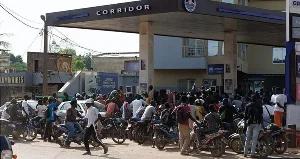
A severe fuel crisis is currently paralyzing daily life across Sudan, leaving citizens stranded and essential services struggling. Long queues have become a permanent fixture at the few remaining operational petrol stations as the country grapples with a drastic reduction in supply. This shortage is the latest blow to a nation already reeling from a protracted civil war that has devastated critical infrastructure and displaced millions.
Authorities and industry observers attribute the worsening crisis to a combination of physical destruction and logistical collapse. Domestic refining capabilities have been severely hampered by targeted drone attacks on key refineries, which have significantly reduced the local production of petroleum products. The ongoing conflict between rival military factions has not only damaged these facilities but has also disrupted the distribution networks required to transport fuel from ports and storage hubs to the general population.
The scarcity of fuel has triggered a ripple effect throughout the Sudanese economy, leading to a sharp rise in transportation costs and the price of basic goods. Public transport has become unreliable, with many drivers forced to wait for days at filling stations or turn to the expensive black market. This situation has further strained the livelihoods of Sudanese citizens, many of whom are already facing extreme poverty and food insecurity due to the collapse of the formal economy during the war.
As the civil war continues with no immediate resolution in sight, the fuel crisis is expected to deepen, further complicating humanitarian efforts. Aid agencies have warned that the lack of fuel is hindering the delivery of life-saving supplies to conflict-affected regions. Without a cessation of hostilities and the rehabilitation of the country's energy infrastructure, the energy deficit will likely continue to exacerbate the humanitarian catastrophe unfolding across the nation.
