••
Strika, Barosky, and Adobea: Hardships of Ghanaian Stars Ignite Debate on Industry Welfare
•3 min read•3 sources
The Ghanaian entertainment industry is grappling with a series of distressing reports highlighting the financial and personal hardships faced by both veteran and rising stars. From the recent arrest of child star Strika for theft to revelations of homelessness involving hiplife musician Barosky, a wave of recent incidents has reignited a national conversation about the sustainability of fame and the lack of robust support systems for creative professionals. These stories collectively underscore the precarious nature of the spotlight in a sector often criticized for its lack of institutionalized safety nets.
Emmanuel Nii Adom Quaye, famously known as Strika for his breakout role in the 2015 international film 'Beasts of No Nation', was recently accused of removing metal railings from a footbridge in Kwashieman, Greater Accra. The incident, which has raised significant safety concerns for local residents, marks a tragic turn for the actor who once gained global recognition. Since his rise to fame nearly a decade ago, Quaye has reportedly faced persistent challenges, including homelessness and financial instability. His current predicament has sparked intense discussions on social media regarding the management and welfare of child actors who struggle to transition into stable adult careers.
In a similar vein, the plight of hiplife musician Barosky has come to the fore following a concerning public appearance that prompted an outcry from fans. Kofi Rasta, a Ghanaian resident in the United Kingdom, revealed that he provided shelter to the musician for six months after discovering him sleeping in the rain. This revelation of Barosky’s homelessness has shocked the music community and highlighted the 'fall from grace' often experienced by veteran artists who lack financial security or professional guidance after their peak years in the industry.
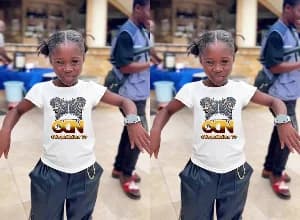
While some stars face physical and financial crises, others are speaking out about the invisible barriers to success and professional sabotage. Young actress and content creator Adobea recently reflected on a sudden and sharp decline in her career trajectory. Despite reaching a peak of popularity in 2022, she experienced a dramatic drop in attention in 2023, which she believes was the result of individuals working behind the scenes to "dim her shine." Her experience sheds light on the psychological and professional toll of navigating a competitive environment where success can be fleeting and external interference can derail a promising career.
These disparate stories paint a sobering picture of the realities within the Ghanaian creative arts sector. Whether it is the legal troubles of a former child star, the destitution of a veteran musician, or the alleged sabotage of a rising actress, the common thread is a lack of sustained career longevity and welfare protection. As public discourse continues to grow, industry stakeholders and government bodies are being urged to establish mentorship programs and welfare funds to ensure that the nation’s cultural icons are protected from desperate circumstances once the spotlight fades.
