••
Spanish authorities identify 36 victims of Toledo train collision
•2 min read•2 sources
Forensic teams in Spain have confirmed the identities of 36 victims following a devastating high-speed train collision near Urda, Toledo, which claimed at least 69 lives. The disaster occurred when a high-speed train collided with a stationary train, leading to one of the most significant rail accidents in recent European history. In response to the tragedy, Spanish authorities have declared three days of national mourning as forensic specialists continue the difficult task of identifying the remaining deceased.
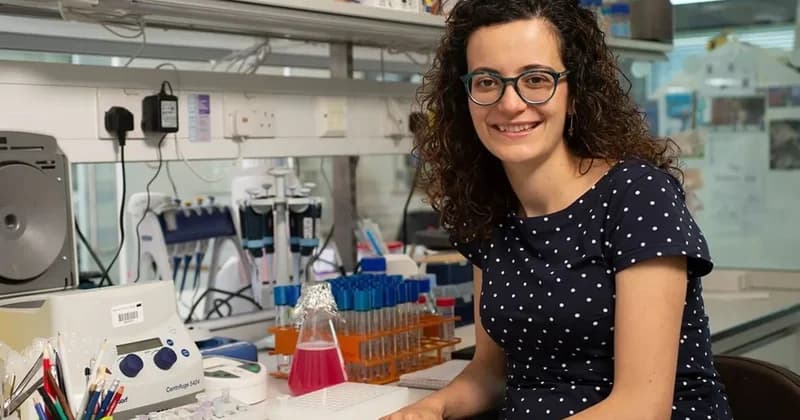
Among those confirmed dead is Dr. Marta Shahbazi, a world-renowned scientist from the University of Cambridge. Dr. Shahbazi, a leading researcher at the MRC Laboratory of Molecular Biology, was reportedly traveling to receive a prestigious award for her pioneering work in human embryonic research and cell biology. The scientific community has expressed profound grief over her loss, describing her as an inspiring role model, particularly for "mother scientists," and a visionary whose work significantly advanced the understanding of early human development.
While the death toll remains at 69, approximately 200 people were injured in the collision. Currently, 34 passengers remain hospitalized, though medical officials reports indicate that the condition of many survivors is improving. Investigators are now focusing on the technical and human factors behind the crash, specifically examining potential failures in the train's protection systems and possible decision-making errors at the railway control center in Madrid.
Support services are currently assisting approximately 50 families who are still awaiting definitive news regarding their missing loved ones. To expedite the identification process, authorities have requested DNA samples from relatives of the missing. As the country observes its official mourning period, the focus remains on providing closure to the affected families and completing a comprehensive investigation into the operational failures that led to the tragedy.
