••
South Africa holds local government elections on November 4
•2 min read•2 sources
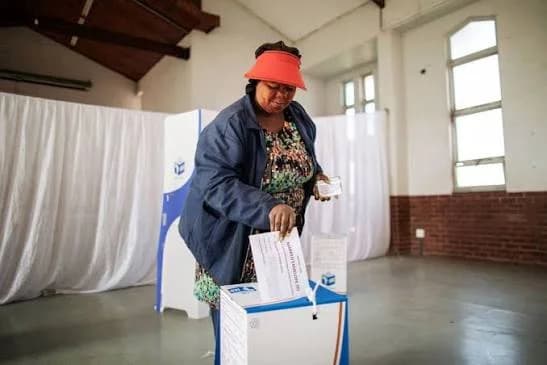
South Africans are set to participate in significant local government elections on November 4, 2025, a vote expected to test the standing of the African National Congress (ANC) following its loss of a parliamentary majority in 2024. The elections will determine control of municipal councils in major urban centers, most notably Johannesburg, where service delivery failures have become a primary concern for the electorate. President Cyril Ramaphosa has emphasized the critical role of local government in public service delivery, calling for a high voter turnout to address systemic corruption and governance issues.
The lead-up to the polls has been dominated by a severe water infrastructure crisis in Johannesburg, where some residents have faced dry taps for more than ten days. Mayor-led efforts to restore reliable supplies come as municipal storage levels hover around 41 percent. An inquiry recently revealed that nearly 45 percent of the city’s water is lost through leaks in aging pipelines, which officials estimate will require billions to repair. The situation has been exacerbated by high consumption and extreme temperatures linked to the El Nio effect, leading to widespread public frustration and protests across the Gauteng province.
These elections serve as a crucial barometer for the ANC's popularity ahead of the 2029 national elections. Having entered a national unity government after the 2024 general election, the ruling party now faces stiff competition from the Democratic Alliance and other opposition groups in key municipalities. Beyond water shortages, voters are expressing discontent over persistent electricity disruptions, inadequate garbage collection, and broader national issues such as economic hardship, crime, and immigration. In regions like Tshwane, health risks from contaminated tap water have further eroded public confidence in local leadership.
The outcome of the November 4 vote will likely reshape the landscape of coalition politics in South Africa. With many municipalities currently struggling with financial mismanagement and a lack of qualified personnel, the newly elected councilors will face the immediate challenge of stabilizing local administrations. As the country prepares for the polls, the ability of candidates to provide concrete solutions for infrastructure rehabilitation and essential service delivery remains the deciding factor for an increasingly disillusioned electorate.
