••
SOCO projects resume in northern Ghana after Ministry of Finance releases funds
•2 min read•1 source
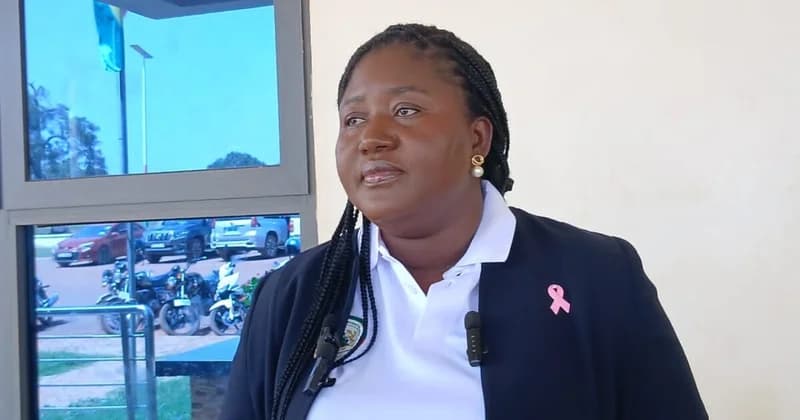
Elizabeth Ohenewa Agyei, the National Project Coordinator of the Gulf of Guinea Northern Regions Social Cohesion (SOCO) Project, has announced the resumption of stalled development works across northern Ghana and the Oti Region. The projects, which had been suspended due to funding bottlenecks, are set to restart immediately following the release of necessary funds by the Ministry of Finance. This development allows contractors to return to project sites to complete critical infrastructure and social interventions that had been left in limbo.
The SOCO project is a multi-national initiative supported by the World Bank, designed to improve access to basic infrastructure, strengthen livelihoods, and enhance social cohesion in vulnerable areas. According to Agyei, the resolution of these funding delays ensures the continuity of the current phase. She also indicated that discussions are already underway regarding a potential third cycle of the project, signaling a long-term commitment to addressing the developmental needs of the northern regions and the Oti Region.
During a recent working session in Nalerigu, the North East Regional Minister, Ibrahim Tia, underscored the strategic importance of these projects in the face of emerging security threats. He emphasized that the SOCO initiative is not merely about physical construction but is a vital tool for fostering collaboration between Ghana and neighboring Togo. Tia noted that the project’s approach helps empower local communities and enhances their resilience against external pressures and social tensions, which is crucial for maintaining regional stability.
The resumption of these works is expected to address long-standing infrastructure gaps while promoting cooperation across border communities. By focusing on both physical development and community empowerment, the SOCO project aims to create a more secure and economically stable environment in regions that have historically faced developmental challenges. The Ministry of Finance's intervention to resolve the funding crisis ensures that these essential social cohesion and resilience goals remain on track.
