••
Students Loan Trust Fund Disburses GH¢600 Million as Government Targets 200,000 Beneficiaries Under ‘Reset Agenda’
•2 min read•8 sources
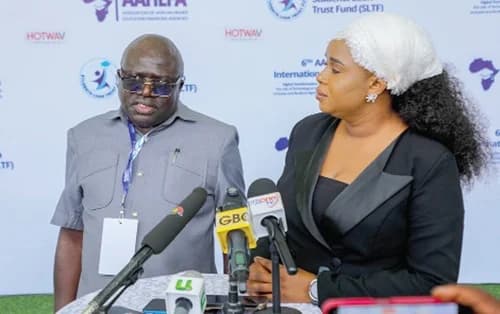
The Students Loan Trust Fund (SLTF) has announced the disbursement of approximately GH¢600 million during the current academic year to support various educational portfolios. This significant financial injection covers student loans, allowances for teacher trainees, and targeted support for persons with disabilities. Speaking at a press conference during the Sixth Association of African Higher Education Financing Agencies (AAHEFA) International Conference in Accra, SLTF CEO Dr. Saadija Shiraz revealed that the fund’s expenditure is projected to rise to GH¢800 million in the coming academic year, reflecting the government's intensified focus on human capital development.
The increased funding is a cornerstone of President John Dramani Mahama’s ‘Reset Agenda,’ which prioritizes education financing as a critical tool for national transformation. Dr. Shiraz noted that the government’s support for these initiatives remains robust, with total funding for educational support exceeding GH¢1 billion in the previous year. To manage this growth, the SLTF is aggressively pursuing a digital transformation strategy. The organization is implementing a fully digitalized loan system designed to streamline applications, improve disbursement speed, and ensure that financial aid is accessible to students regardless of their geographical location.
Looking ahead, the SLTF aims to expand its reach significantly, with a goal of assisting approximately 200,000 beneficiaries by the 2026-2027 academic year. Some projections suggest this figure could reach as high as 300,000 as technology integration makes the process more efficient. Dr. Shiraz emphasized that these advancements are not merely administrative but are essential to ensuring that no Ghanaian student is denied higher education due to financial constraints. The shift toward a technology-driven model is expected to reduce bottlenecks and enhance the transparency of the fund's operations.
The broader implications of these investments were echoed by Dr. John Machayi, President of AHEFA, who urged African governments to view higher education funding as a strategic investment rather than a mere expense. He argued that robust financing mechanisms are vital for developing the human capital necessary for the continent's economic growth. As the AAHEFA conference concluded, stakeholders emphasized the need for data-driven decision-making and regional cooperation to ensure that education financing remains sustainable and responsive to the evolving needs of the African workforce.


