••
West African Education Leaders Urge Evidence-Based Policy and Domestic Financing to Address Regional Learning Crisis
•2 min read•5 sources
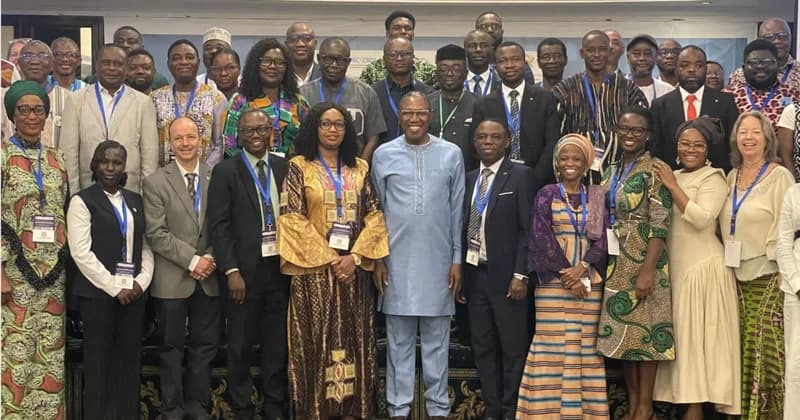
At the Second High-Level Conference on Education in Emergency (ACCELERATE+) held in Accra, prominent West African education leaders and stakeholders issued a clarion call for a fundamental shift in how the region addresses educational disruptions. Minister of Education Haruna Iddrisu and Deputy Minister of Education Dr. Clement Abas Apaak emphasized that the current learning crisis—exacerbated by conflicts and natural disasters—requires a move away from reactive, urgency-driven responses toward sustainable, evidence-based policymaking. The gravity of the situation is underscored by alarming statistics showing that 72 million crisis-affected children are currently out of school, while another 127 million who are enrolled fail to achieve minimum learning outcomes due to systemic instability.
Speaking to over 150 stakeholders, Haruna Iddrisu warned that interventions driven solely by the pressure of immediate crisis often lead to a wastage of scarce resources and ultimately fail to provide effective relief to children. He advocated for a tighter alignment between national priorities and actionable research, noting that innovative approaches are essential to ensure that children in conflict zones maintain access to quality instruction. By prioritizing resilience and evidence, Iddrisu argued, governments can build educational systems capable of withstanding future shocks rather than merely reacting to them.
Complementing this perspective, Dr. Clement Abas Apaak highlighted the necessity of strengthening domestic financing and fostering regional cooperation across West Africa. He stressed that while international support remains valuable, government ownership and accountability are the true cornerstones of sustainable educational funding. Dr. Apaak called for proactive investments in resilience and the scaling of successful educational models, particularly those that prioritize equity for marginalized groups. This regional collaboration is seen as vital for sharing research and creating a unified front against the educational challenges facing the sub-continent.
Dr. Leslie Casely-Hayford, representing the conference organizers, further elaborated on the need for innovative strategies that include psychosocial support for educators working in crisis zones. The conference, organized by Associates for Change in partnership with CSEA and CERFODES, focused on bridging the gap between research and policy through five critical themes including resilient education systems and inclusive learning. As the summit concluded, the consensus remained clear: only through a combination of increased investment, coordinated regional action, and data-driven strategies can West Africa hope to secure the academic future of its most vulnerable populations.