••
Senegal migrant shipwreck near Thieppe claims at least 39 lives
•2 min read•1 source
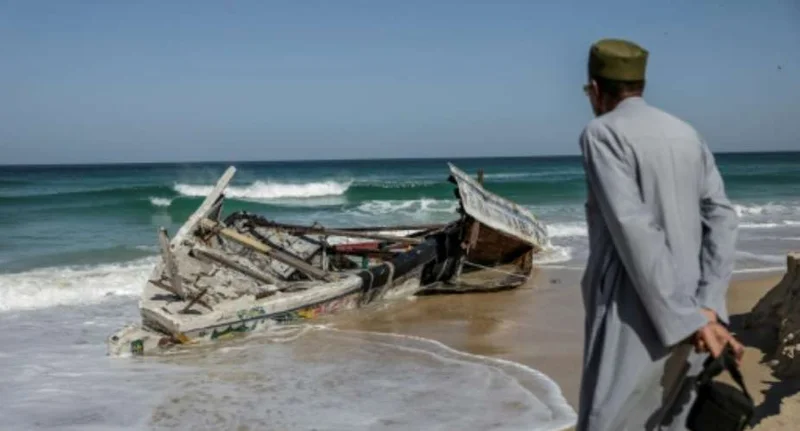
At least 39 people have lost their lives following a migrant shipwreck off the coast of Thieppe, Senegal, after a pirogue capsized during a journey toward Europe. The incident has sent shockwaves through local communities, leaving many families in deep mourning as they grapple with the sudden loss of relatives who had attempted the treacherous sea crossing. This disaster is the latest in a series of similar tragedies that have occurred along the West African migration route, which is increasingly utilized by those seeking to escape economic hardship and find better prospects abroad.
The motivations behind such perilous journeys are deeply rooted in the local economic climate, where many young Senegalese feel a lack of opportunity at home. Families of the victims described a sense of desperation, noting that the allure of financial success abroad often outweighs the known dangers of the Atlantic crossing. In many cases, those who perished had not informed their families of their plans, further compounding the grief of those left behind who must now deal with the fallout of the clandestine departure while facing the same economic pressures that drove their loved ones away.
Senegal’s Interior Minister has responded to the tragedy by vowing a significant crackdown on human smuggling networks operating within the country's borders. The government aims to tighten security and target those who profit from organizing illegal voyages that put lives at risk. Beyond law enforcement, the minister also proposed the development of temporary migration programs designed to provide legal and safer alternatives for Senegalese citizens looking for employment in foreign countries. However, grieving families and activists maintain that the only long-term solution is the creation of meaningful local economic opportunities to deter the youth from risking their lives at sea.
