••
Senegal authorities recover four bodies from capsized migrant boat
•2 min read•2 sources
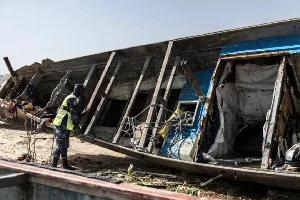
Senegal authorities have recovered four bodies and are searching for dozens of missing people after a migrant boat capsized near Yenne, south of Dakar. The vessel was reportedly carrying at least 50 passengers when it overturned during a high-risk operation to transfer people from smaller fishing boats to a larger sea-faring pirogue. Boubacar Seye, president of the migrant advocacy group Horizons Sans Frontieres, confirmed the recovery of the victims following the disaster, which has left families in the coastal region awaiting news of survivors.
The incident highlights the extreme dangers of the Atlantic migration route, particularly during the loading process where smugglers often move passengers between vessels in open water to evade detection. This specific method of transfer is known to be highly unstable, often leading to overcrowding and capsizing. Search and rescue teams, including the Senegalese navy, continue to patrol the waters near the site of the accident, though the likelihood of finding more survivors remains slim as the operation enters its second day.
This tragedy occurs amidst a significant surge in migration from West Africa toward Spain’s Canary Islands. Recent data indicates that more than 8,000 people arrived in the archipelago during the first 12 days of November alone, underscoring the scale of the current movement. While maritime cooperation between Senegal and Spain has led to an increase in intercepted crossings, the volume of departures remains high, driven by a combination of economic factors and the activities of human smuggling networks.
Local officials and migration experts have expressed concern over the rising death toll and are calling for a broader strategy beyond maritime policing. Advocates argue that while naval patrols are a necessary security measure, they do not address the underlying socio-economic drivers that push thousands of young Senegalese to undertake the perilous journey. There is an increasing demand for regional policies that focus on creating local opportunities and addressing the root causes of the migration crisis to prevent further loss of life at sea.