••
Sekondi Sports Stadium hosts first competitive match in seven years
•2 min read•1 source
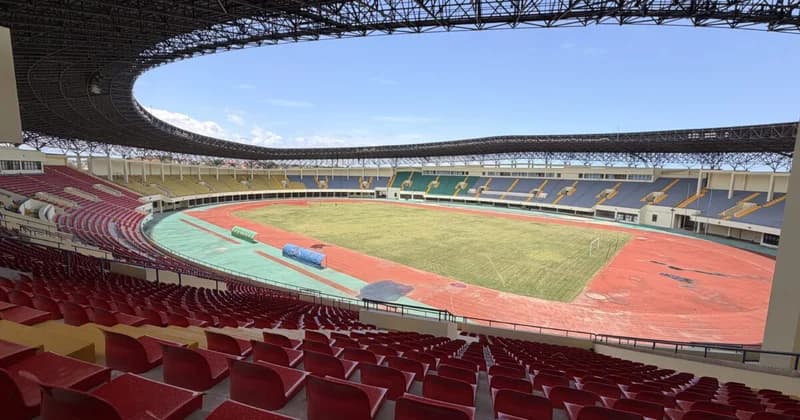
The Sekondi Sports Stadium returned to active service on October 13, 2025, hosting its first competitive football match in seven years. The reopening was headlined by a dominant performance from Ghana’s national women’s team, the Black Queens, who secured a 7-0 victory over Mauritius in an Olympic qualifying fixture. This milestone event followed a period of essential renovations aimed at restoring the facility, which had been largely dormant for high-level competitive play for nearly a decade.
The renovation efforts focused on several critical areas of the stadium's infrastructure to prepare for the fixture. Work included the replacement of thousands of damaged seats and the restoration of the electronic scoreboard, which had long been non-functional. While these improvements allowed for the successful hosting of the international football match, the facility's overall utility remains limited. Technical assessments indicate that the track and field infrastructure still does not meet the international standards required for major athletics competitions, restricting the venue's ability to host diverse sporting events.
Historical management issues continue to shadow the stadium’s return to service. Since its completion for the 2008 Africa Cup of Nations, the venue has faced persistent maintenance challenges and the underutilization of its auxiliary facilities, including the on-site hotel spaces which have remained largely inactive. These concerns highlight ongoing debate regarding the sustainability of national sports infrastructure and the need for a comprehensive management plan to prevent further deterioration.
The return of international football to the Western Region is a significant boost for local fans and the broader sporting community. However, the long-term success of the Sekondi Sports Stadium depends on the government's ability to provide consistent maintenance and further investment to address technical shortcomings in the athletics facilities. Stakeholders remain watchful to see if the current administration can ensure the stadium remains a functional and self-sustaining asset for Ghanaian sports.


