••
Sarkodie, Kofi Kinaata, and Creative Leaders Demand Strategic Corporate Investment and Leadership Reforms
•3 min read•4 sources
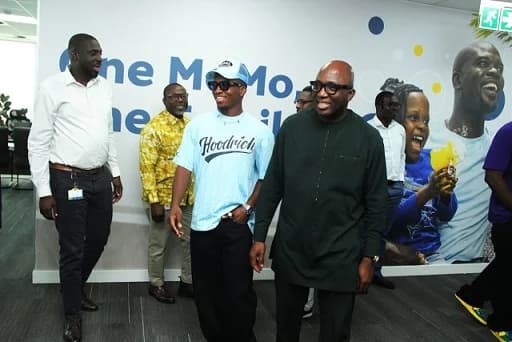
Ghanaian creative icons and institutional heads are calling for a paradigm shift in how corporate entities and the government engage with the arts, advocating for a move from traditional sponsorship toward sustainable strategic investment. Rapper Sarkodie and highlife artist Kofi Kinaata have led this charge through recent engagements with Mobile Money FinTech (MMF) Limited, where they emphasized that the creative sector offers more than just promotional opportunities. Sarkodie urged corporate Ghana to foster meaningful collaborations that align business goals with creative output, rather than merely funding one-off events. This sentiment was echoed by MMF CEO Shaibu Haruna, who praised Kinaata’s deep songwriting and recognized music as a powerful tool for communicating financial services and lifestyle offerings to a broader audience.
Beyond individual artist collaborations, the call for structural change extends to the performing arts and theatre. During the Ghana Theatre Festival 2026, Henry Herbert Malm, the Acting Executive Director of the National Theatre, urged corporate entities to transition from Corporate Social Responsibility (CSR) to investing in creative intellectual property. Malm highlighted that theatre is a fundamental part of national identity and a promising economic sector capable of driving cultural tourism and job creation. He noted that initiatives like the 'Five Movements, One Story' concert demonstrate how the arts can unite to narrate Ghana’s cultural identity while offering tangible returns on investment for corporate partners.
However, these opportunities for growth remain hampered by internal structural challenges, according to veteran actor Oscar Provencal. He recently pointed to poor institutional leadership as a primary obstacle hindering the competitiveness of Ghana’s creative industry. Provencal argued that the sector requires visionary, apolitical leadership composed of qualified individuals to reform policy and create better opportunities. He expressed concern over the lack of engagement from industry members on policy matters, suggesting that without leadership reform, the industry cannot fully capitalize on the corporate partnerships envisioned by artists like Sarkodie and Kinaata.
As the industry looks toward future milestones, including the Rapperholic concert in Kumasi and expanded theatre initiatives, the consensus among these stakeholders is clear: the future of Ghanaian entertainment lies in professionalizing the relationship between creatives and the business community. By moving beyond the traditional sponsorship model and addressing leadership deficits, the sector aims to transform into a robust economic engine capable of promoting Ghanaian excellence on a global scale. The ongoing discussions between top-tier artists and fintech leaders represent a first step toward a more integrated and financially viable creative ecosystem.
Related topic
Sarkodie: Latest News & Updates →

