••
Communications Minister Samuel Nartey George Reveals $20 Million Cost for Fibre Cut Repairs Amid Major Network Investments by MTN and Telecel Ghana
•2 min read•6 sources
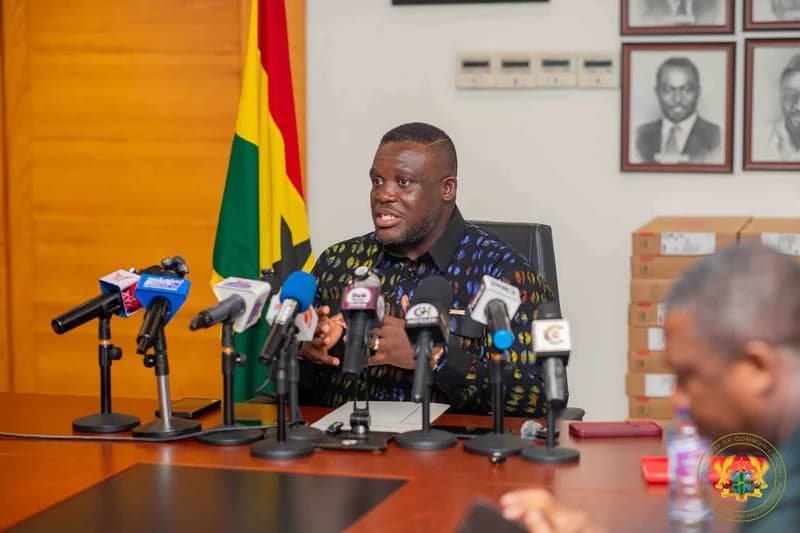
The Ghanaian telecommunications sector is grappling with a significant infrastructure crisis, as Minister for Communications, Digital Technology and Innovations, Samuel Nartey George, revealed that over $20 million has been spent in 2026 alone to repair 8,578 fibre cuts. These incidents, which have plagued the industry with increasing frequency over the last few years, represent a massive financial drain that diverts capital away from critical network expansion. The Minister identified road construction under the government’s "Big Push" programme as the primary culprit, accounting for 49% of the damage, while illegal mining activities contribute to another 25% of the outages.
The scale of the problem has escalated sharply since 2021, when approximately 3,900 cuts were recorded. This number surged to over 10,000 in 2022 before reaching the current year's high volume. Mr. George emphasized that the funds consumed by these repairs could have been better utilized to enhance connectivity in underserved regions. Consequently, he has called for urgent and improved coordination between road development authorities and telecommunications operators to ensure that the nation’s digital backbone is protected during physical infrastructure projects.
Despite these setbacks, the private sector continues to make historic investments in Ghana’s digital future. MTN Ghana has committed more than $1.1 billion over the next three years to expand its network and begin the rollout of 5G services, with $380 million earmarked for the current year to build 800 new cell sites. Similarly, Telecel Ghana has increased its capital investment by 60% between 2023 and 2026 compared to the previous four-year period. This investment, totaling approximately $1.4 billion, focuses on upgrading 2,900 sites and migrating users from 3G to 4G to enhance mobile broadband access.
In addition to infrastructure growth, Minister George highlighted a positive trend in the affordability of digital services for Ghanaians. Government initiatives have reportedly led to more competitive pricing for fixed broadband and increased mobile data allocations, alongside improved value for DStv subscribers. To sustain these gains, Telecel Ghana has also advocated for stronger partnerships with the media and local communities to protect infrastructure from theft and accidental damage. As Ghana seeks to strengthen its digital economy under President John Mahama’s administration, the protection of these multi-billion dollar investments remains a top priority for national development.
Related topic
John Mahama: Latest News & Updates →Live rates
Dollar to cedi rate →

