••
Global Security and Alliances Strained by Russian Strikes Near EU Border, Mexican Cartel Wars, and Shifting Diplomatic Blocs
•3 min read•13 sources
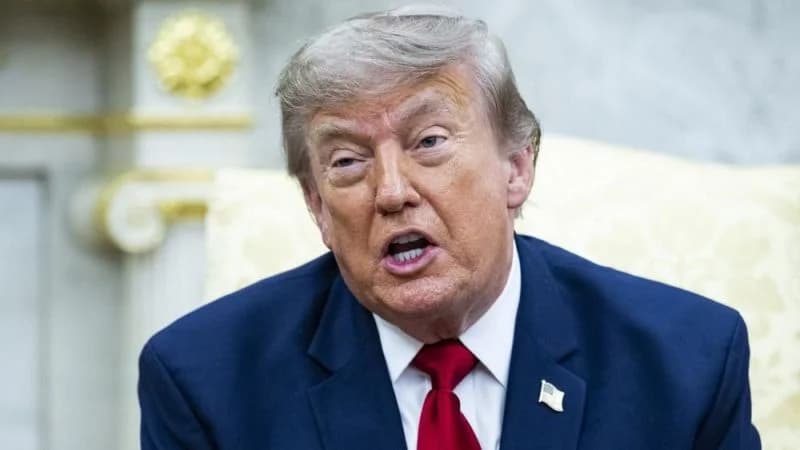
International security concerns have reached a fever pitch following a Russian drone strike on a train in Yahodyn, Ukraine, moments after high-profile European officials, including former British Prime Minister Boris Johnson, departed the area. The attack on the railway infrastructure, which damaged the engine but resulted in no casualties due to a timely evacuation order, has drawn sharp condemnation from Polish Prime Minister Donald Tusk and Ukrainian Foreign Minister Andrii Sybiha. Amidst this escalation, U.S. President Donald Trump has intervened by urging Ukraine to cease strikes on Russian energy targets to stabilize global fuel prices. Simultaneously, Russian President Vladimir Putin used the 2026 International Youth Festival in Yekaterinburg to advocate for a 'just world order' and national sovereignty, encouraging young leaders to partner with Russia in shaping a future independent of Western interference.
In North America and the Middle East, internal conflicts are severely destabilizing regional economies. In Culiacán, Mexico, thousands of residents dressed in white marched to demand an end to the brutal feud between the Sinaloa cartel's 'Los Chapitos' and 'La Mayiza' factions. The conflict, which intensified after the arrest of Ismael 'El Mayo' Zambada, has led to over 5,000 business closures and a surge in disappearances. Meanwhile, diplomatic efforts in the Middle East have stalled as a meeting on the Strait of Hormuz was postponed following Houthi projectile attacks on Saudi Arabia’s Jazan region. The resulting closure of a critical Saudi oil pipeline has further pressured global energy markets, mirroring the supply concerns raised by the Trump administration regarding the Ukraine-Russia conflict.
Across Africa and Europe, new political challengers and strategic alliances are emerging to address economic and security failures. In Kenya, 44-year-old Senator Edwin Sifuna has positioned himself as a major challenger to President William Ruto for the 2027 elections, channeling 'Gen-Z' frustrations over corruption and police violence. In West Africa, the Gambia has banned protests without permits following unrest over power outages, while a failed mutiny in Niger has underscored President Abdourahamane Tchiani’s growing reliance on Russian military support. Regional tensions also peaked in the south, as Nigeria’s parliament suspended legislative visits to South Africa to protest persistent xenophobic attacks against Nigerian migrants.
On the global economic front, nations are recalibrating their dependencies to navigate a climate of trade wars and technological rivalry. Canadian Prime Minister Mark Carney is advocating for a 'unique alliance' with the European Union to build resilience against escalating trade tariffs between the U.S. and Canada. Parallel to this, the Trump administration has committed $100 million in loans to Africell, an American-owned telecom firm, to counter the dominance of China’s Huawei in African 5G infrastructure. These maneuvers suggest a move toward a more fragmented global landscape, where domestic stability and international partnerships are increasingly defined by energy security, technological sovereignty, and the containment of rival geopolitical influences.

