••
RTS,S/AS01E malaria vaccine reduces severe cases by 27%, says ASTMH study
•2 min read•1 source
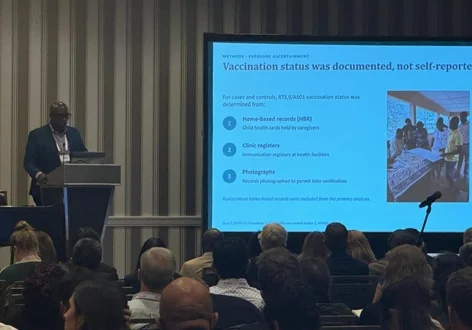
A large-scale real-life evaluation conducted across Ghana, Kenya, and Malawi has confirmed the continued efficacy and safety of the RTS,S/AS01E malaria vaccine. Findings presented at the American Society of Tropical Medicine and Hygiene (ASTMH) annual meeting in October 2026 reveal that children who completed the full four-dose vaccination schedule experienced a 27% reduction in severe malaria. The study provides critical evidence from routine health systems, reinforcing the vaccine's role as a vital tool in the fight against malaria in endemic regions.
Dr. Bernhards Ogutu from the Kenya Medical Research Institute (KEMRI) presented the research, which tracked the health outcomes of children one year after they completed the vaccination schedule. The data showed that among the 64.3% of children who received all four doses, there was also a 14% reduction in overall malaria cases, alongside significant decreases in hospitalisations and malaria-related anaemia. These results underscore the vaccine's ability to protect children from the most dangerous complications of the disease when the recommended regimen is followed.
The study further affirmed the safety profile of RTS,S/AS01E, which has been a cornerstone of public health efforts in Ghana since its pilot introduction. By demonstrating consistent results outside of controlled clinical trials, the research supports the continued and expanded use of the vaccine for children under five years old. Health experts at the ASTMH meeting noted that these real-world findings are essential for maintaining public confidence in the vaccination programme and ensuring that malaria-endemic countries can meet their long-term health targets.

