••
Biggi Dziro calls for translation of health research into national policy
•2 min read•1 source
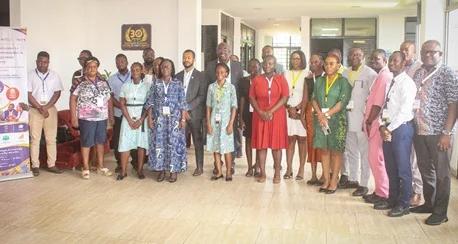
Health stakeholders and researchers have warned that Ghana’s significant investments in medical research risk being wasted if findings continue to serve only as academic publications rather than influencing national health policy. Speaking at a recent workshop, experts called for a fundamental shift in the research ecosystem, urging investigators to ensure their work directly addresses the country's most pressing healthcare delivery challenges. The consensus among participants was that research must move beyond the pages of international journals to become actionable solutions within the Ghanaian clinical environment.
Biggi Dziro, representing the African Mental Health Research Initiative (AMARI), emphasized that the value of research is measured by its impact on policy and practice. He argued that researchers often operate in isolation, focusing on academic accolades while missing the opportunity to solve local problems. To bridge this gap, stakeholders recommended that the Ministry of Health be engaged at every stage of the research process, from the initial study design to the final dissemination of results. This collaborative approach ensures that research questions are aligned with the ministry’s strategic priorities and that the findings are packaged in a way that policymakers can easily implement.
Beyond governmental collaboration, the workshop experts highlighted the importance of community engagement to ensure research is relevant to the people it aims to serve. They noted that prioritizing research based on local and national needs, rather than purely academic interests, would lead to more resilient healthcare systems. By fostering cooperative efforts between researchers, policymakers, and communities, the health sector can ensure that scientific discoveries translate into tangible improvements in patient care and public health outcomes across the nation.


