••
President Cyril Ramaphosa Unveils National Emergency Measures Following Discovery of 12 Murdered Women in South Africa
•2 min read•11 sources
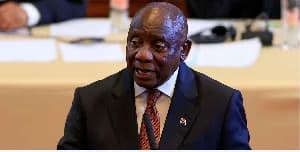
South African President Cyril Ramaphosa has announced an urgent national emergency response to combat the country’s rampant gender-based violence (GBV) following the discovery of 12 women’s bodies in Ekurhuleni, east of Johannesburg. The gruesome findings, which occurred over a span of just two months, have ignited national outrage and renewed intense scrutiny of the government's ability to protect its citizens. In a televised address to the nation, Ramaphosa characterized the situation as a critical crisis that demands immediate and comprehensive administrative and security interventions to prevent further loss of life.
Among the primary measures unveiled is the implementation of mandatory safety audits across all municipalities to identify and mitigate local hazards that compromise women's safety. This "clean-up" initiative will focus on high-risk areas and include nationwide security sweeps to secure unsafe streets. Furthermore, the President has ordered the creation of specialized investigative teams and a thorough review of unresolved cases involving violent crimes against women. To complement these security measures, the government is introducing an enforcement package aimed at curbing alcohol-related violence; while Ramaphosa noted that alcohol is not the root cause of GBV, he emphasized that it significantly exacerbates the frequency and severity of such attacks.
Beyond legislative and police action, Ramaphosa called for a profound cultural transformation in South African society. He emphasized that the responsibility for ending violence against women lies predominantly with men and boys, urging them to take a stand and challenge the deep-rooted attitudes and systemic inequalities that perpetuate abuse. The President candidly acknowledged that past government efforts and protective measures have been inadequate, leading to a breakdown in trust. By shifting the focus toward male accountability and cultural change, the administration aims to address the societal foundations of femicide rather than merely treating the symptoms.
The urgency of these measures is underscored by harrowing national statistics, which recorded 5,427 homicides in the country between April and June alone. In the specific case of the Ekurhuleni murders, law enforcement officials have already taken four suspects into custody as investigations continue. Forensic evidence is currently being analyzed to build robust cases against those responsible. President Ramaphosa has pledged that his administration will prioritize transparency and accountability moving forward, ensuring that the justice system effectively handles cases of gender-based violence to provide a safer environment for all South African women and girls.

