••
Rising Femicide Crisis Grips South Africa and Cameroon as Families Demand Justice and Legal Reform
•3 min read•2 sources
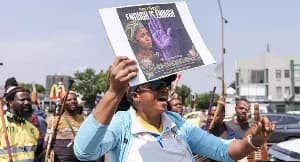
Across the African continent, a disturbing wave of violence against women has ignited national outcries and urgent calls for legal reform. From the industrial hubs of South Africa to the towns of Cameroon, the discovery of multiple victims in recent months has exposed a deep-seated crisis of femicide. In South Africa's Gauteng province, police have confirmed a grim tally of 12 women found dead in a single district since July, while in Cameroon, rights groups are battling what they describe as a "nightmare" epidemic of gender-based violence that claimed dozens of lives in the first half of the year alone.
In the Ekurhuleni region, east of Johannesburg, South African authorities recently reported the discovery of three additional bodies between Saturday and Monday morning. These latest findings brought the total number of women killed and dumped in the area to 12 within just two months. The frequency and localized nature of these discoveries have heightened fears among residents and put significant pressure on law enforcement to investigate whether these killings are the work of a serial offender or a symptom of broader societal violence. South Africa has long struggled with some of the highest rates of gender-based violence globally, yet the concentrated nature of the Ekurhuleni deaths has particularly shocked the local community.
Meanwhile, in Cameroon, the scale of the crisis is equally staggering, with approximately 50 femicides recorded between January and April 2023. The recent murder of Geraldine Achia, a teacher, has become a symbol of the national tragedy, leaving her family and activists demanding accountability. During one month alone, nearly 10 women were reported killed, prompting fierce criticism of President Paul Biya’s government for its perceived inaction. Rights organizations point to a toxic combination of economic hardship, a deeply entrenched patriarchal culture, and a lack of specific legal protections for women as primary drivers of the violence.
Legal experts in Cameroon, including investigating magistrate Martine Ahanda Tana, are now advocating for "femicide" to be recognized as a distinct crime under national law. Such a designation would ensure that the targeted killing of women carries specific, stringent penalties and would require more rigorous investigative protocols. As families across both South Africa and Cameroon grapple with the agony of loss, the push for systemic change remains slow. The growing epidemic highlights an urgent need for African governments to move beyond rhetoric and implement comprehensive measures to protect women from a culture of impunity.


