••
RAINS urges government to adopt climate change education manual
•2 min read•1 source
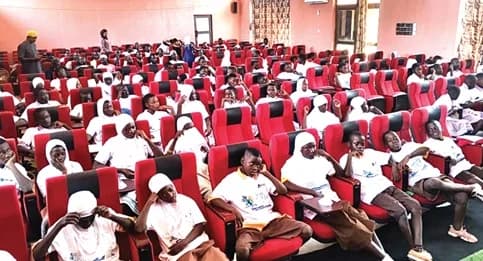
The Regional Advisory Information and Network Systems (RAINS), an NGO based in the Northern Region, has called on the government to integrate a specialized climate change education manual into the national school curriculum. This appeal was made during the Schools’ Climate Festival held in Savelugu, where the organization emphasized the importance of institutionalizing environmental education to prepare the younger generation for future ecological challenges. The move is seen as a vital step toward creating a more climate-resilient society starting from the classroom.
Alhassan Abubakar, the Project Coordinator for RAINS, explained that the manual is designed to equip students with the practical knowledge required to influence environmental behavior within their communities. By embedding these lessons in the formal education system, the organization aims to promote sustainable agricultural practices and protect soil fertility, which are critical for the region's long-term food security. Abubakar highlighted that while the manual has already been successfully piloted in selected schools, a formal national rollout is necessary to achieve a significant, widespread impact.
In its current pilot phase, the initiative encourages students to participate in hands-on environmental activities, including tree planting exercises and community clean-up campaigns. These practical sessions are intended to move beyond theoretical learning, fostering a tangible sense of environmental stewardship among youth. However, RAINS noted that limited resources and the inherent challenges of government adoption processes remain significant hurdles to scaling the project across the country's educational districts.
Agricultural experts supporting the initiative have also used the platform to advocate for a reduction in the heavy reliance on inorganic fertilizers. They argue that teaching students about sustainable alternatives and the importance of preserving the environment is essential for safeguarding future food production and maintaining environmental integrity. The proposed curriculum integration is strategically positioned to create a more resilient agricultural sector by informing the practices of future farmers and citizens.

